





A high electric bill during the summer in Massachusetts is not necessarily surprising. When temperatures and humidity climb, your air conditioner or heat pump naturally runs longer to keep your home comfortable.
But if your bill has jumped significantly or your HVAC system seems to run constantly without delivering better comfort, something else may be going on.
Heating and cooling account for a substantial share of household energy use, so even a relatively small HVAC problem can impact your monthly costs. Here are some of the most common HVAC causes of high energy bills, along with signs that it may be time to call a professional.
1. A Dirty or Clogged Air Filter
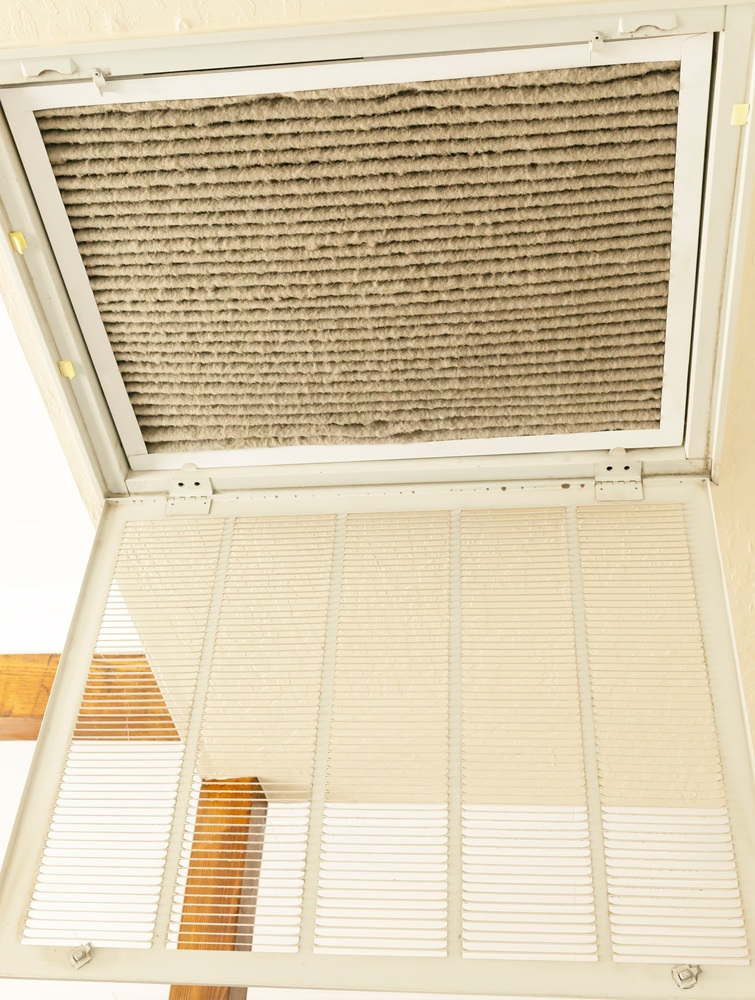
A dirty air filter is one of the simplest and most common causes of poor HVAC efficiency.
Your system needs a steady supply of air to operate properly. When dust, pet hair, pollen, and other debris clog the filter, airflow slows down. The blower then has to work harder and run longer to move conditioned air through your home.
A clogged filter can contribute to:
- Longer cooling cycles
- Weak airflow from the vents
- Uneven room temperatures
- Greater wear on HVAC components
- Higher electricity use
During periods of heavy cooling, check your filter monthly and replace or clean it according to the equipment and filter manufacturer’s instructions. Homes with pets, allergies, renovations, or especially dusty conditions may need more frequent changes.
2. Thermostat Settings That Make the System Work Overtime
Your thermostat directly affects how often your HVAC system runs.
Setting the temperature extremely low will not cool your home faster. It simply asks the system to continue operating until it reaches a more difficult—and sometimes unrealistic—target temperature.
Other thermostat problems can raise energy use, too:
- Leaving the fan set to “On” instead of “Auto”
- Frequently making large temperature changes
- Heating or cooling an empty house all day
- A thermostat located in direct sunlight or near drafts or heat-producing appliances
A programmable or smart thermostat can help match your HVAC schedule to your household routine. For conventional systems, adjusting the temperature while you are away can reduce unnecessary runtime. Heat pumps may perform better with smaller, steadier adjustments.
3. Deferred HVAC Maintenance
Dirt and neglect can gradually reduce HVAC performance even when the system still appears to be working.
Over time, coils become dirty, electrical connections loosen, drain lines clog, and moving parts begin to wear. These issues can force the system to consume more electricity while producing less cool air.
Professional maintenance can include:
- Inspecting and cleaning critical components
- Checking electrical connections and motor performance
- Evaluating airflow
- Inspecting condensate drainage
- Testing thermostat operation
- Looking for early signs of component failure
Annual professional service can help preserve efficiency, catch developing problems, and reduce the risk of a breakdown during extreme weather.
4. Leaky or Poorly Insulated Ductwork
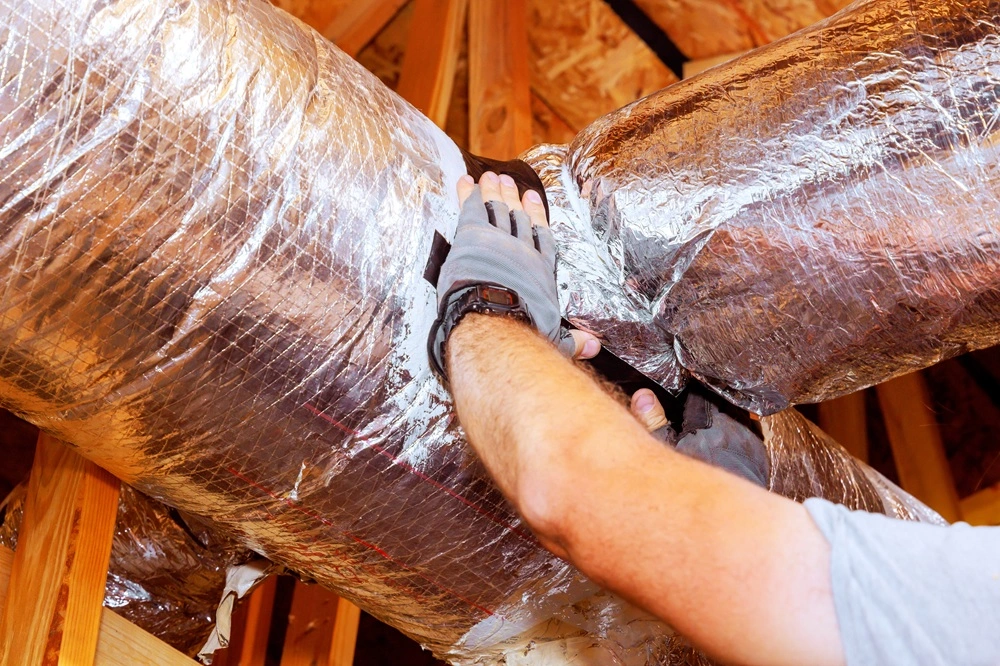
If you have a forced-air system, your HVAC equipment may be producing enough conditioned air—but your ducts may not be delivering all of it to the rooms where you need it.
Leaks, loose connections, damaged ducts, and inadequate insulation can allow cooled or heated air to escape into attics, basements, crawlspaces, or wall cavities. Your system then runs longer to compensate for air you already paid to condition.
Possible signs of duct problems include:
- Rooms that never reach the thermostat setting
- Weak airflow from certain vents
- Noticeable temperature differences between floors
- Excess dust near registers
- Ductwork located in a very hot attic or cold, unfinished area
- Higher bills without a clear change in household habits
Sealing and insulating accessible ductwork can improve efficiency and comfort. However, duct repairs should address both supply and return pathways, so a professional evaluation is often the best place to start.
5. Low Refrigerant or a Refrigerant Leak
Air conditioners and heat pumps use refrigerant to transfer heat. They do not normally “use up” refrigerant like a car uses gasoline.
If the refrigerant level is low, there may be a leak or another system problem. The equipment may continue running but struggle to cool the home, leading to longer cycles and greater electricity consumption.
Warning signs can include:
- Air from the vents that is not very cool
- Ice on the indoor coil or refrigerant lines
- Hissing or bubbling sounds
- The system running nearly nonstop
- A sudden decline in cooling performance
Refrigerant issues require a trained HVAC technician. Simply adding refrigerant without locating and addressing the underlying problem is not a lasting solution.
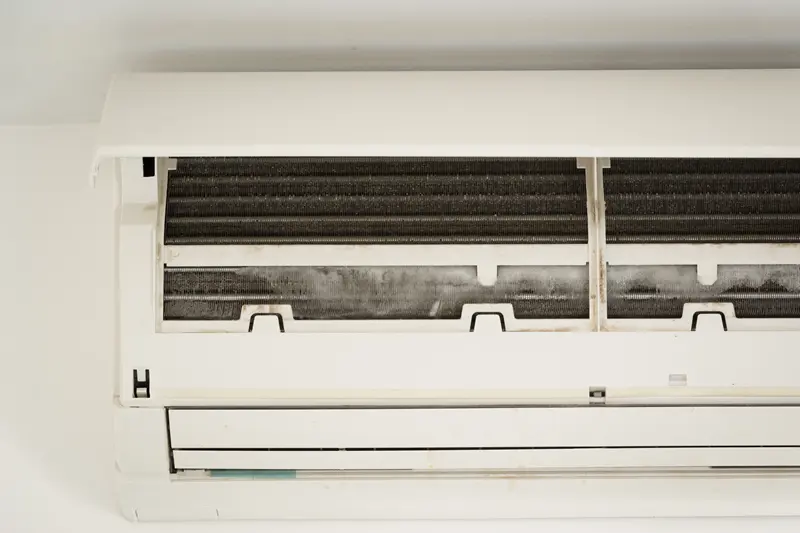
6. Dirty Indoor or Outdoor Coils
Your HVAC system relies on coils to absorb heat from inside the home and release it outdoors.
When the evaporator or condenser coil becomes coated with dust, pollen, grass clippings, or other debris, heat transfer becomes less effective. The system must run longer to do the same amount of work.
Massachusetts outdoor units can accumulate:
- Spring pollen
- Cottonwood and plant debris
- Leaves and twigs
- Lawn clippings
- Dirt from storms and landscaping
Keep vegetation and stored items away from the outdoor unit, but avoid opening the equipment or using high-pressure water that could damage delicate fins. Coil cleaning is generally best handled during professional HVAC service.
7. An Aging or Inefficient System
HVAC equipment does not maintain its original efficiency forever.
As components wear, an older air conditioner, furnace, boiler, or heat pump may require more energy to deliver the same level of comfort. Older equipment may also have been manufactured to lower efficiency standards than today’s systems.
Age alone does not automatically mean replacement is necessary. However, it may be time to discuss your options if your system:
- Needs increasingly frequent repairs
- Runs for long periods without maintaining comfort
- Produces uneven temperatures
- Is more than 10-15 years old
- Uses an older refrigerant that is becoming difficult or expensive to service
A repair may still be the most practical choice when the equipment is otherwise in good condition. An HVAC consultation can help you compare repair costs, efficiency, comfort, and the expected remaining life of the system.
8. Incorrect HVAC System Sizing
Bigger HVAC equipment is not necessarily better.
An oversized air conditioner may cool the home too quickly and shut off before it has had enough time to remove humidity. This rapid on-and-off operation, known as short cycling, can reduce comfort and increase equipment wear.
An undersized system may run constantly and still fail to reach the desired temperature.
Proper sizing should account for more than square footage. A professional load calculation considers factors such as:
- Insulation levels
- Air leakage
- Window size and orientation
- Home layout
- Local climate
- Occupancy
- Heat-producing appliances
If the system was selected using a rough rule of thumb rather than a full evaluation, sizing could be contributing to high energy bills.
9. Poor Insulation and Air Leaks Are Making Your HVAC Work Harder
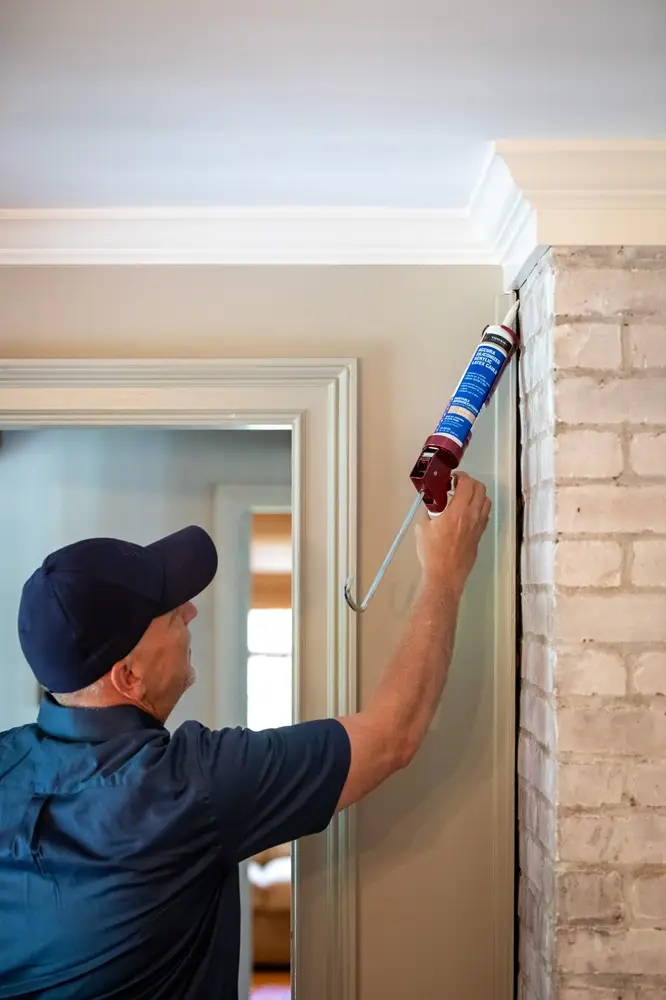
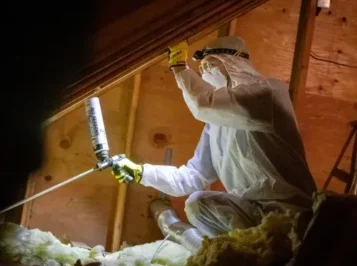
Sometimes the HVAC system isn’t the main problem. If your home has inadequate insulation or air leakage, conditioned air escapes while outdoor heat and humidity enter. Even a high-efficiency system can struggle in a home that cannot hold onto the air it produces.
Common problem areas include:
- Attic floors and hatches
- Basement rim joists
- Recessed lighting
- Plumbing and electrical penetrations
- Exterior doors
- Duct chases
- Older additions
- Rooms above garages
This can lead to hot upstairs bedrooms, drafts, uneven temperatures, and an HVAC system that rarely seems to shut off.
Pairing properly sized equipment with insulation and air sealing is often more effective than expecting a new HVAC system to overcome deficiencies in the home itself.
Services We Provide in Massachusetts
10. A Mechanical Problem Is Developing
A system can continue operating while one of its components begins to fail.
Worn capacitors, blower issues, failing motors, faulty sensors, damaged contactors, and other mechanical or electrical problems may cause the system to operate inefficiently before it stops working entirely.
Contact an HVAC professional if you notice:
- New buzzing, grinding, rattling, or clicking sounds
- Frequent cycling
- Weak airflow
- Burning or unusual odors
- Warm air from the vents during cooling mode
- Unexplained increases in electric use
- Breakers repeatedly tripping
- Water collecting around the indoor unit
Addressing the problem early may help prevent damage to more expensive components.
Is the Weather—or Your HVAC System—Causing the High Bill?
Before assuming the equipment is malfunctioning, compare the current bill with:
- The same month last year
- Recent outdoor temperatures and humidity
- Changes in utility rates
- Changes in household occupancy
- New appliances or electric vehicles
- Longer thermostat run schedules
A hotter month will generally require more cooling. But if your energy use has increased far more than the weather or household changes would explain, an HVAC efficiency issue may be responsible.
How to Lower HVAC Energy Use
A few practical steps can help improve performance:
- Replace or clean the air filter as needed.
- Keep supply and return vents open and unobstructed.
- Use reasonable thermostat settings.
- Keep the outdoor unit clear of vegetation and debris.
- Close windows and exterior doors while the system runs.
- Use blinds or curtains to reduce afternoon heat gain.
- Schedule regular professional maintenance.
- Have persistent comfort or performance problems diagnosed rather than repeatedly adjusting the thermostat.
- Evaluate insulation, air sealing, and ductwork as part of the whole-home picture.
When to Call HomeWorks Energy
A high bill does not always mean you need a new HVAC system. You may need a filter change, a targeted repair, duct improvements, maintenance, or better insulation and air sealing.
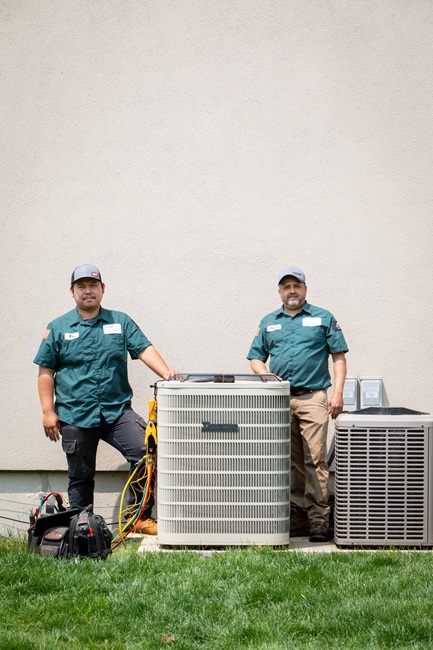
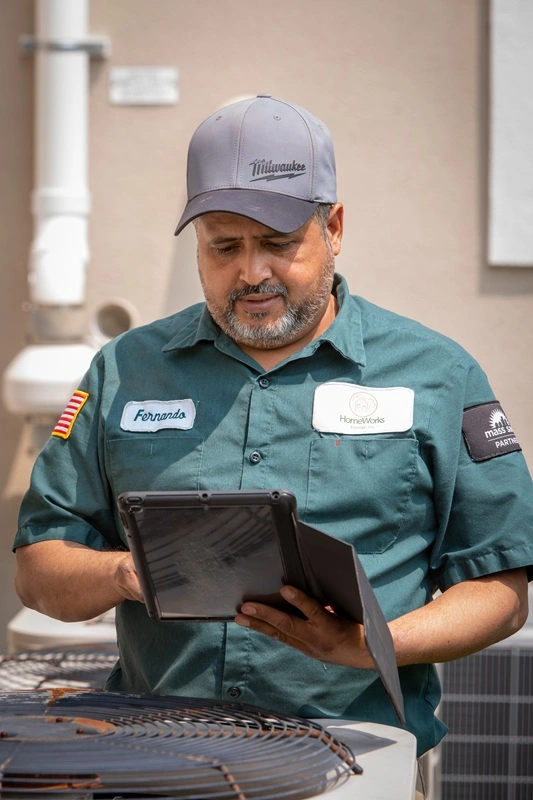
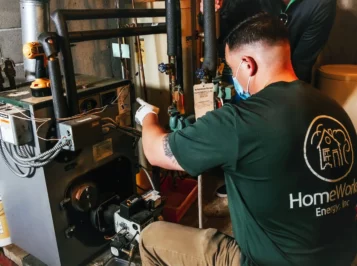
HomeWorks Energy’s HVAC technicians service all major equipment brands and can identify what is causing poor performance before recommending a solution. Whether your system is running constantly, cooling unevenly, making unusual noises, or simply costing more to operate than expected, we’ll explain your options clearly and help you decide what makes sense for your home.
We provide HVAC repairs, maintenance, and system consultations for homeowners across Massachusetts, including communities such as Boston, Cambridge, Quincy, Braintree, Peabody, Danvers, Worcester, and Westborough.
Stop Paying for an HVAC Problem You Haven’t Identified
If your monthly energy bill is climbing, your HVAC system may be trying to tell you something.
Schedule HVAC service with HomeWorks Energy to find the cause, restore performance, and help your system deliver the comfort you are paying for.