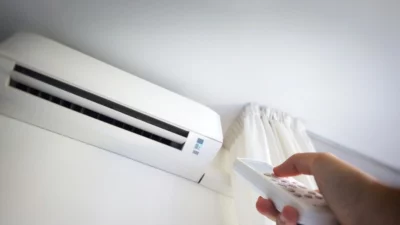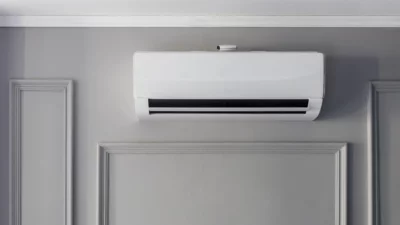


If you’re shopping for a new air conditioner, you may be surprised when your HVAC contractor starts talking about heat pumps. The name can be misleading, but the answer is simple: Yes, a heat pump includes air conditioning. An air-source heat pump can cool your home just like a traditional central air conditioner and then reverse direction to provide heat during the winter.
This makes heat pumps an excellent option for Massachusetts homeowners when it’s time to add or replace an air conditioning system. Instead of installing equipment that only cools your home, you may be able to choose one system that handles the highs and lows of New England weather.
But that doesn’t mean the same heat pump is right for every house.
Older homes, newer construction, additions, existing ductwork, open floor plans, and even the way your family uses different rooms can all influence which heating and cooling setup makes the most sense.
Let’s break it down.
How Does a Heat Pump Provide Air Conditioning?
An air conditioner and an air-source heat pump work very similarly during the summer.
A traditional central air conditioner doesn’t actually “create” cold air. Instead, it uses refrigerant and a refrigeration cycle to absorb heat from inside your house and transfer that heat outdoors.
An air-source heat pump does the same thing.
On a hot Massachusetts summer day, a heat pump:
- Absorbs heat from the air inside your home.
- Transfers that heat through refrigerant.
- Releases the heat outdoors.
- Circulates cooled, dehumidified air back through your home.
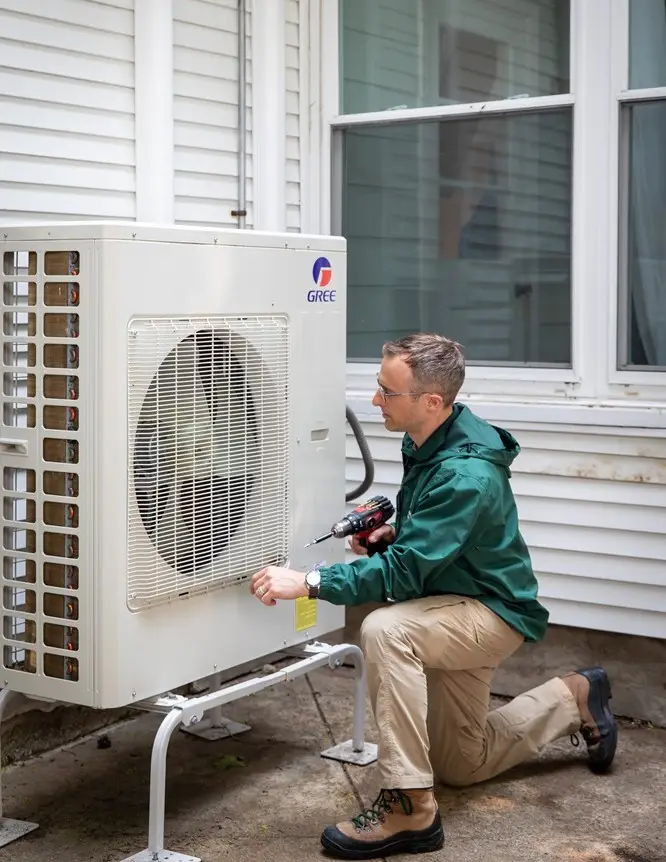
The big difference appears when the weather gets cold.
A heat pump can reverse the process. During winter, it extracts available heat from the outdoor air and transfers it into your home. That’s why one heat pump can provide both air conditioning in the summer and heating in the winter.
Heat Pump vs. Central AC: What's the Difference?
If you’re comparing central AC to a heat pump during cooling season, they may seem almost identical. Both can provide whole-home or zoned cooling, both use an outdoor unit, and ducted versions can even use the same type of ductwork.
The biggest difference is what happens after summer ends.
Central air conditioner:
- Provides cooling
- Typically works alongside a separate heating system, such as a furnace or boiler
- Uses existing ductwork to distribute conditioned air
Heat pump:
- Provides cooling
- Provides heating
- Can be ducted or ductless
- May supplement or replace an existing heating system, depending on the design
That means if your central AC is approaching the end of its life, it’s worth asking whether replacing it with a heat pump makes more sense than installing another cooling-only system.
Do Heat Pumps Really Work in Massachusetts Winters?
This is one of the most common questions we hear, and it’s understandable. Heat pumps developed a reputation years ago for being better suited to milder climates.
But technology has changed considerably. Modern, cold-climate, air-source heat pumps are specifically designed to maintain heating capacity and efficiency at low outdoor temperatures. That makes them a viable heating option in places with real winters—including Massachusetts.
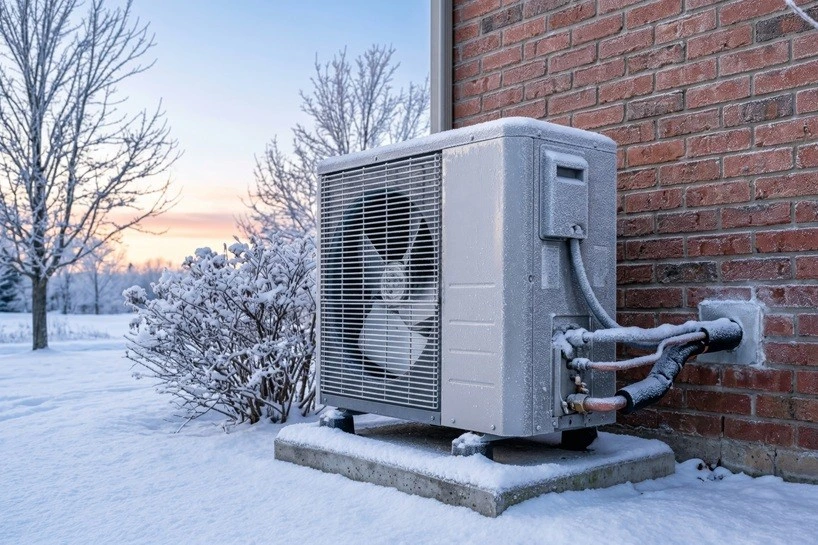
Choosing the correct equipment and sizing it appropriately for the home is critical, however. A system intended to provide all of a home’s heating in Massachusetts needs to be designed around our winter conditions, not simply the home’s summertime cooling needs.
Depending on the home and the homeowner’s goals, a heat pump can serve as the primary heating system or operate alongside an existing furnace or boiler.
What Type of Heat Pump is Best for Massachusetts Homes?
This is where Massachusetts housing gets interesting.
We have everything from centuries-old colonials to triple-deckers, Cape-style homes, split-levels, townhomes, renovated Victorians, additions built decades after the original house, and new high-efficiency construction.
Fortunately, heat pumps aren’t a one-size-fits-all technology.

Heat Pumps for Homes with Central Air and Ductwork
If your home already has ductwork in good condition, a ducted central heat pump may be the most straightforward option.
Like central AC, the system distributes conditioned air through ducts throughout the house. The difference is that it can also use those ducts for heating.
This can be particularly attractive if your central AC needs replacement. Rather than buying another AC-only outdoor unit, you can explore whether a heat pump could provide cooling while also taking on some or all of your home’s heating needs.
Existing ducts still need to be evaluated for proper sizing, airflow, leakage, and condition. Ductwork designed for an older heating or cooling system isn’t automatically ideal for new equipment.
Heat Pumps for Homes Without Ductwork
This is a very common situation in Massachusetts.
Many older homes were built with boilers, radiators, or baseboard heating and never had ductwork installed. Adding traditional central AC can require opening walls, building soffits, or sacrificing closet space to accommodate ducts.
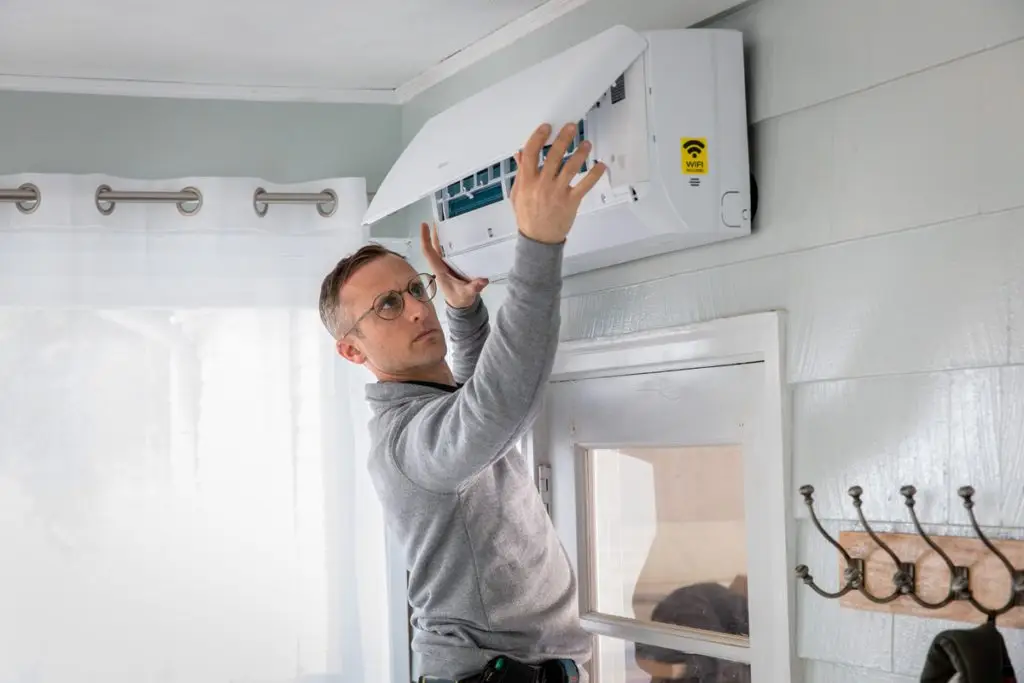
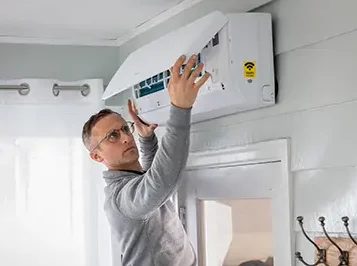
A ductless mini-split heat pump offers another option.
Instead of one central air handler connected to ducts, mini-splits use indoor units that directly heat and cool individual areas or “zones” of the house.
That can allow homeowners to add air conditioning without installing an entirely new duct system—and gain efficient heating at the same time.
Heat Pumps for Homes with an Addition
Here’s another classic New England scenario: The house itself is comfortable, but the addition never seems to be.
Maybe you have a:
- Finished attic
- Sunroom
- Home office
- Converted garage
- Primary suite addition
- Finished space above the garage
These areas may not have been incorporated properly into the home’s original HVAC design.
A ductless heat pump can sometimes provide a dedicated heating and cooling solution for that space without requiring you to redesign the HVAC system serving the rest of the house.
Heat Pumps in Newer or High-Efficiency Homes
Newer homes—and older homes that have undergone significant insulation and air-sealing improvements—may require much less heating and cooling than older, draftier houses.
That’s a good thing, but proper HVAC sizing is especially important.
Installing equipment that’s unnecessarily large can cause short cycling, comfort problems, unnecessary upfront costs, and reduced efficiency.
A professional HVAC load calculation considers factors such as square footage, insulation, windows, air leakage, orientation, and other characteristics to determine how much heating and cooling the home actually needs.
Heat Pumps for Townhouses or Homes with Limited Outdoor Space
Heat pumps can also offer flexibility where space is limited, although the right solution depends heavily on the property.
Multi-zone systems can connect multiple indoor units to a single outdoor unit, potentially reducing the amount of outdoor equipment needed.
Townhome owners should also consider factors such as HOA requirements, available exterior space, equipment placement, noise considerations, and whether modifications to common or exterior areas are permitted.

Ducted or Ductless Heat Pumps: You Don't Necessarily Have to Choose One
One of the biggest misconceptions about heat pumps is that every house has to be either completely ducted or completely ductless. That’s not always true.
Some homes benefit from a mixed or hybrid approach.
For example, a homeowner might use:
- A ducted heat pump for the main portion of the house
- A ductless unit for an addition or finished attic
Or a heat pump might provide cooling and much of the home’s heating while an existing heating system remains available as a secondary source.
The goal shouldn’t be to force a particular technology into every house. It should be to design a system around the house that’s actually there.
Don't Forget About the House Around the HVAC System
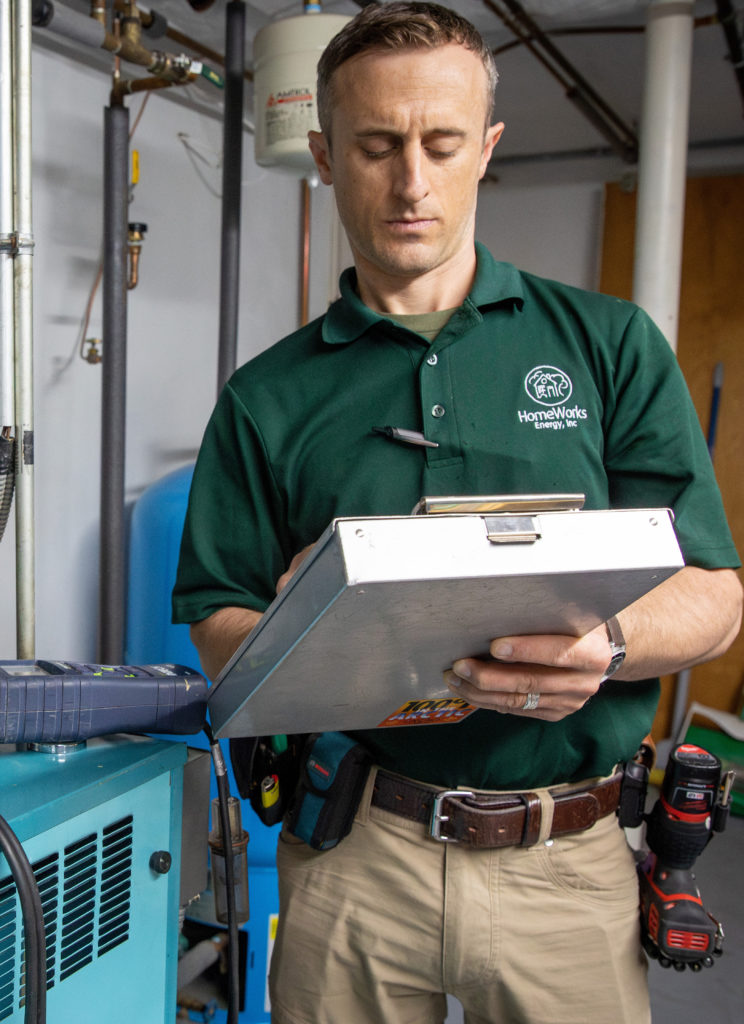
Before investing in new heating and cooling equipment, there’s another question worth asking:
How hard does your house make your HVAC system work?
A home with insufficient insulation or significant air leakage may require more heating and cooling capacity simply because conditioned air is escaping.
Improving insulation and air sealing can reduce heating and cooling loads, improve comfort, and potentially affect the size of the HVAC system your home needs.
That’s especially important if you’re considering a whole-home heat pump system. You don’t want to size expensive new equipment around energy waste that could have been addressed first.
For eligible Massachusetts households, a no-cost Home Energy Assessment can help identify insulation and air-sealing opportunities and provide personalized information about available Mass Save® incentives.
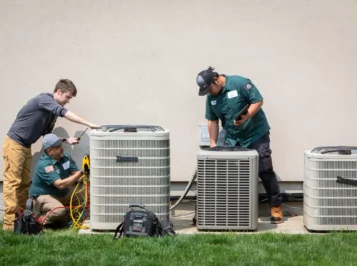
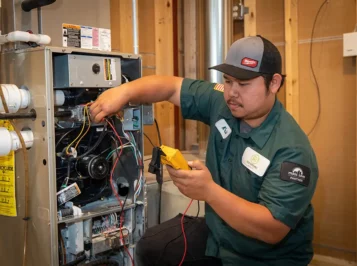
Services We Provide in Massachusetts

So, Should You Choose a Heat Pump Instead of Central AC?
If you need a new air conditioning system, a heat pump deserves serious consideration.
You’re already investing in equipment capable of cooling your home. Choosing a heat pump means that same investment can potentially provide efficient heating as well.
That can be especially compelling if:
- Your central AC is due for replacement.
- Your furnace or boiler is also getting older.
- You currently heat with oil, propane, or electric resistance.
- Your home doesn’t have ductwork and you’ve been considering adding AC.
- You have an addition or problem area that needs dedicated heating and cooling.
- You want to reduce your reliance on a fossil-fuel heating system.
- You’re interested in taking advantage of available Massachusetts heat pump incentives.
But the best answer depends on the house.
A 1920s colonial with radiators shouldn’t automatically get the same recommendation as a new high-efficiency home. Neither should a sprawling addition, a compact townhome, or a house with an existing duct system in excellent condition.
Before You Buy Another Air Conditioner, Know Your Options
If your AC is nearing the end of its life, don’t assume you have to replace it with another traditional air conditioner.
A heat pump is an air conditioner—it simply gives you another option when heating season arrives.
HomeWorks Energy offers no-cost HVAC consultations to help Massachusetts homeowners compare their options. Our team can evaluate your home’s layout, existing equipment and ductwork, heating and cooling needs, and your goals before recommending a system.
Whether a ducted heat pump, ductless mini-split, hybrid configuration, or another HVAC solution makes the most sense, we’ll help you understand the tradeoffs so you can make an informed decision.
Schedule your free HVAC consultation with HomeWorks Energy today and find out whether a heat pump is the right heating and cooling solution for your home.