

There’s nothing quite like waking up on a cold New England morning, walking over to the thermostat, and realizing your house is much colder than it should be.
You turn up the heat. You wait. And… nothing happens.
Before you start worrying about an expensive repair or spending the day bundled up under blankets, there’s some good news: A furnace that won’t turn on doesn’t always mean something major is wrong. Sometimes, the problem is as simple as an incorrect thermostat setting, a tripped circuit breaker, or a dirty air filter.
Other times, your furnace may be experiencing a mechanical issue that requires professional attention.
If your furnace isn’t turning on, here are seven things to check, what might be causing the problem, and when it’s time to call an HVAC technician.
1. Check Your Thermostat Settings
Let’s start with the simplest possibility: Your thermostat may not be telling your furnace to turn on.
This is especially worth checking at the beginning of heating season, when Massachusetts homeowners are switching from air conditioning to heat.
Here’s what to look for:
- Make sure your thermostat is set to “Heat,” not “Cool” or “Off.”
- Raise the temperature setting a few degrees above the current room temperature.
- If your thermostat uses batteries, check whether they need replacing.
- If you have a programmable or smart thermostat, review its schedule to make sure it isn’t overriding your settings.
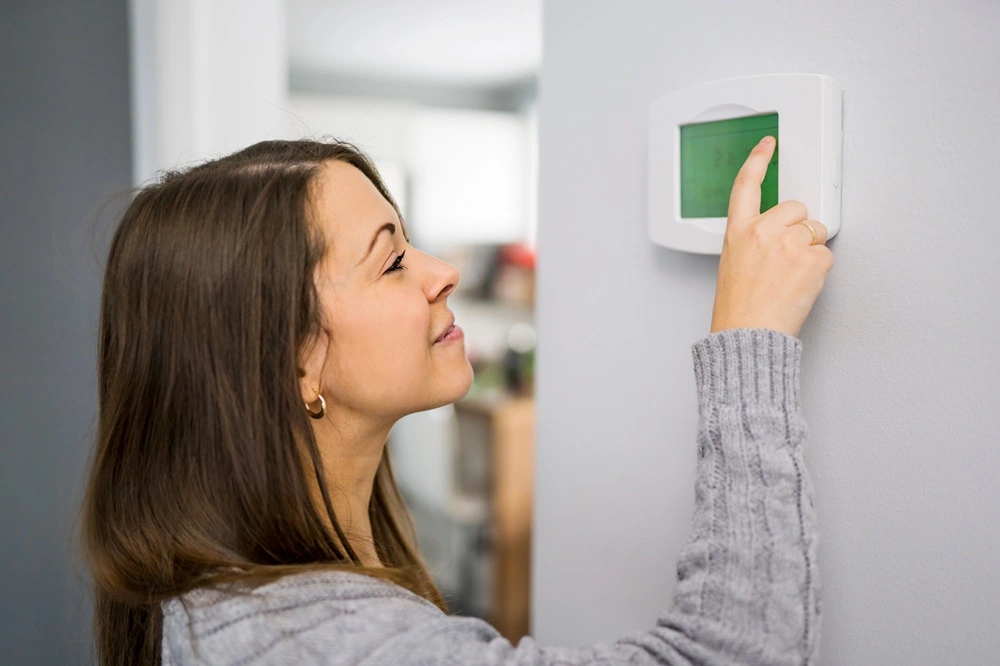
If your thermostat has a blank screen, the issue could be dead batteries or a loss of power.
Give your furnace a few minutes to respond after making adjustments. If nothing happens, move on to the next step.
2. Make Sure Your Furnace Has Power
Even gas and oil furnaces need electricity to operate. Their blowers, controls, and other components rely on electrical power.
If your furnace suddenly stopped working, check these two things:
The furnace power switch: Many furnaces have a dedicated power switch located on or near the unit. It often resembles an ordinary light switch and can sometimes be turned off accidentally.
Your circuit breaker: Check your home’s electrical panel for a breaker labeled “Furnace,” “Heat,” or something similar.
If the breaker has tripped, you may be able to reset it once. However, if it trips again, leave it off and contact a professional. Repeatedly resetting a breaker can create a safety hazard.
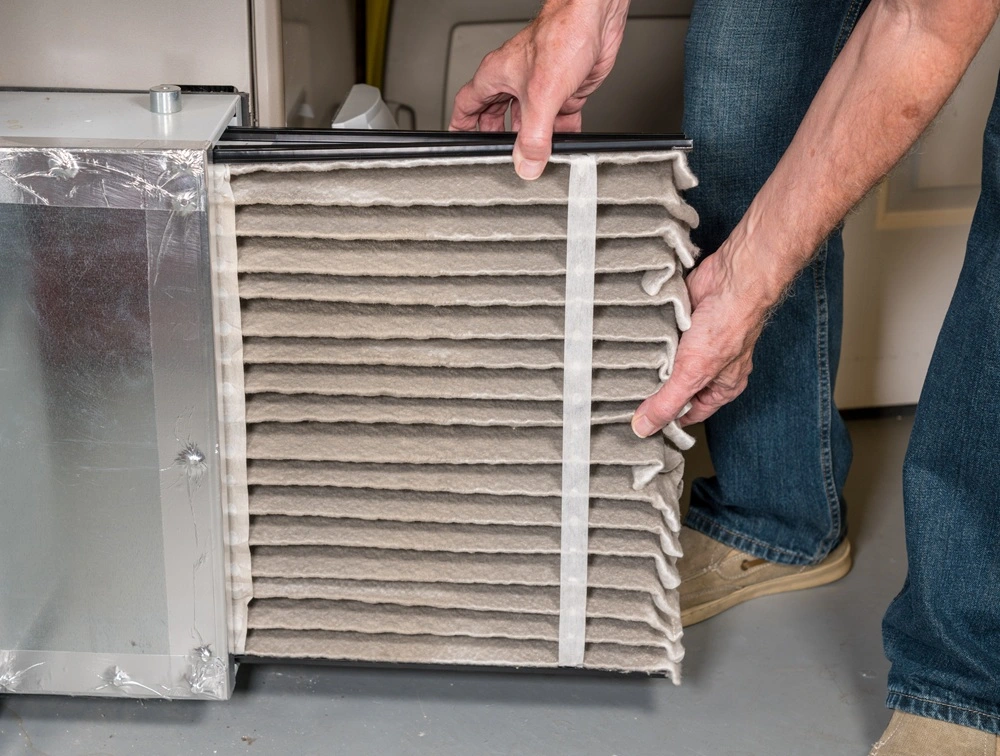
3. Inspect Your Furnace Air Filter
When was the last time you changed your furnace filter?
If you can’t remember, you’re certainly not alone. But a dirty air filter is one of the most common contributors to furnace performance problems.
As dust and debris accumulate, the filter restricts airflow through your heating system. This makes your furnace work harder to circulate warm air throughout your home.
In some cases, restricted airflow can cause the furnace to overheat and trigger a safety shutoff.
What to do: Check your air filter and replace it if it’s visibly dirty or clogged, following your furnace manufacturer’s instructions.
Many standard filters need replacing every one to three months, although the appropriate schedule depends on your equipment, filter type, and household conditions. A fresh filter won’t solve every heating problem, but it’s an easy maintenance task that can help your system operate more efficiently.
4. Check for Blocked Air Vents
Your furnace needs proper airflow to heat your home safely and effectively.
If furniture, rugs, or other household items are blocking supply or return vents, warm air may struggle to circulate. Restricted airflow can also contribute to overheating and unexpected furnace shutdowns.
Take a quick walk through your home and make sure:
- Supply vents aren’t covered by furniture or rugs.
- Return air grilles are clear of obstructions.
- Vents haven’t been accidentally closed.
This is particularly important in homes where certain rooms already struggle to stay warm.
If your furnace turns on but some rooms remain chilly, the problem may also involve your home’s ductwork, insulation, or air leakage rather than the furnace itself.
5. Check Your Fuel Supply
If your furnace runs on natural gas, propane, or heating oil, it needs an uninterrupted fuel supply to produce heat.
For homeowners with oil furnaces, start by checking the fuel level in your tank. Running out of heating oil can prevent your furnace from operating and may require professional service before the system can restart.
If you have a gas furnace, check whether other gas appliances in your home are functioning normally. If multiple appliances aren’t working, contact your gas utility to investigate a possible supply interruption.
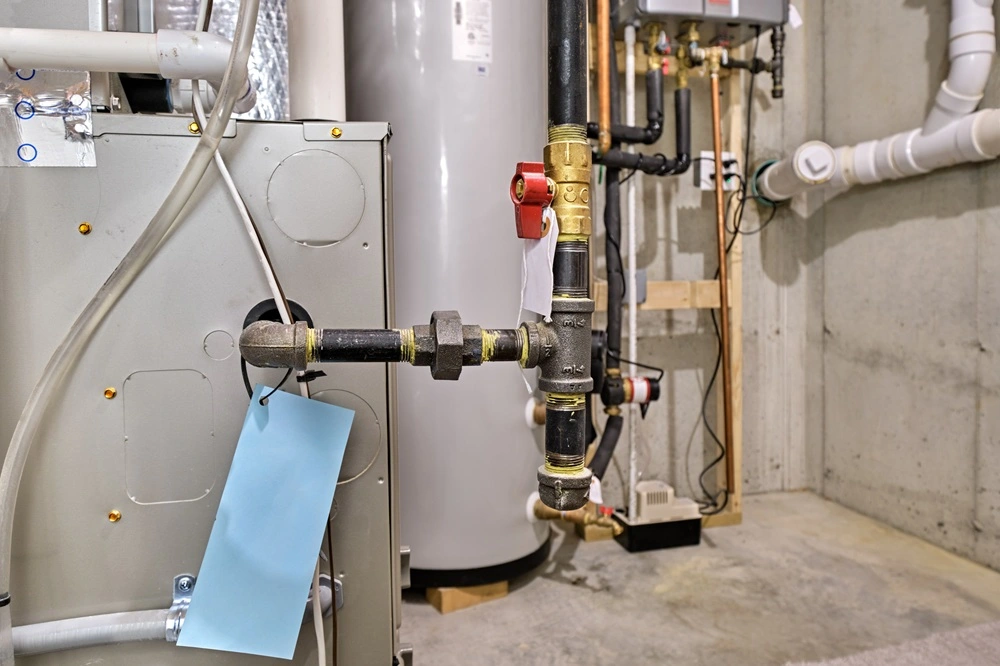

Important safety reminder: If you smell gas, leave your home immediately. Do not operate electrical switches, use your phone inside, or attempt to restart the furnace. Once you’re safely outside, call 911 or your gas utility’s emergency line. Never attempt to repair gas connections or fuel-delivery components yourself.
6. Your Furnace May Have an Ignition or Flame Sensor Problem
If you’ve checked the thermostat, power, and airflow but your furnace still won’t start, the problem may be inside the equipment.
Modern gas furnaces typically use electronic ignition systems to light their burners. Older models may use a standing pilot light.
If the ignition system fails, your furnace may attempt to start without successfully producing heat.
Another possibility is a dirty or malfunctioning flame sensor. This component helps verify that the burner flame is present. If the furnace can’t confirm that the flame has ignited, it may shut off the gas supply as a safety precaution.
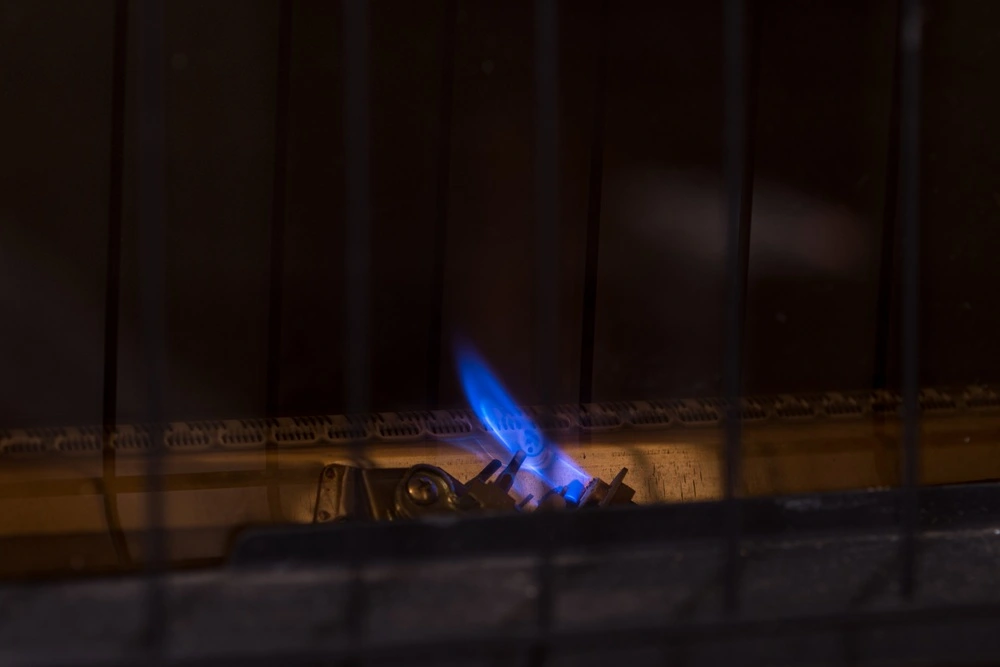
Signs of an ignition-related problem can include:
- Clicking sounds without the furnace starting
- A furnace that starts but shuts off shortly afterward
- A blower that runs without producing warm air
- Repeated attempts to start without successfully heating your home
These problems require professional diagnosis. An HVAC technician can inspect the ignition system, flame sensor, and related components to determine what’s preventing your furnace from operating properly.
7. A Safety Switch or Internal Component May Have Failed
Your furnace contains several safety controls designed to prevent dangerous operating conditions.
For example, a high-temperature limit switch can shut down the heating process if the furnace overheats. Other controls monitor conditions related to venting and combustion.
Your furnace also depends on components such as its blower motor, control board, and other electrical parts. If one of these components fails, your furnace may stop working entirely or operate inconsistently.
These problems can sound intimidating, but they don’t automatically mean you need a new furnace. A qualified HVAC technician can identify the cause and recommend an appropriate repair.
Avoid bypassing safety switches or repeatedly resetting a furnace that continues to shut down. Those protective features are there for a reason.
Furnace Won't Turn on, or Is It Running Without Heat?
There’s an important difference between a furnace that won’t start at all and one that runs but doesn’t heat your home.
You may be dealing with an ignition problem, restricted airflow, or another issue preventing the burners from producing heat. Check that your thermostat fan isn’t set to run continuously before assuming something is broken.
If your furnace won't turn on at all:
The issue may involve your thermostat, electrical power, or internal controls.
If your furnace turns on but blows cold air:
This is sometimes called short cycling. Possible causes include overheating, airflow restrictions, or malfunctioning components.

Pay attention to exactly what happens when you turn up the thermostat. That information can help your HVAC technician narrow down the problem more quickly.
When Should You Call for Furnace Repair?
If you’ve worked through the basic troubleshooting steps and your furnace still won’t turn on, it’s time to schedule professional HVAC service.
You should also contact a technician if you notice:
- Unusual banging, buzzing, or grinding noises
- Repeated furnace shutdowns
- A furnace that runs but doesn’t produce adequate heat
- A circuit breaker that keeps tripping
- Unusual odors coming from your heating equipment

If you suspect a gas leak or carbon monoxide exposure, leave the home immediately and contact emergency services from outside. Do not wait for a routine HVAC appointment.
And remember, you don’t have to wait until your furnace stops working completely to get help. Strange noises, inconsistent heating, and difficulty maintaining your thermostat setting can all be early signs that something needs attention.
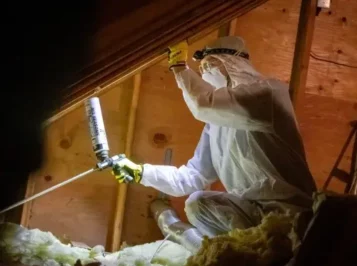
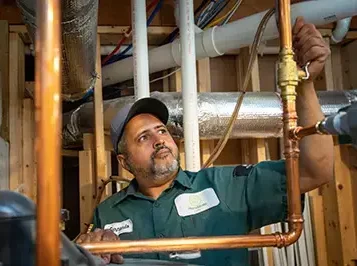
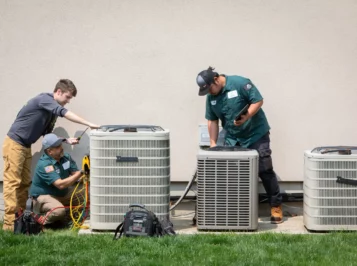
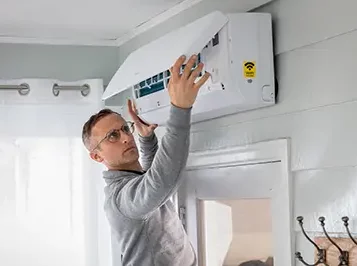
Services We Provide in Massachusetts
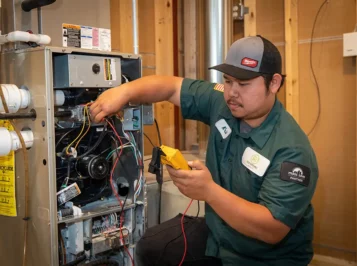
How to Help Prevent Furnace Problems This Winter
A furnace breakdown is never convenient, but it’s especially frustrating when Massachusetts temperatures drop below freezing.
While every repair can’t be prevented, routine maintenance can go a long way toward keeping your heating system running reliably.
Here are a few habits worth adopting:
- Replace your air filter regularly. Keeping airflow unrestricted helps your furnace operate efficiently.
- Keep vents clear. Make sure your heating system can circulate air throughout your home.
- Pay attention to changes. New noises, frequent cycling, or declining heating performance may signal developing problems.
- Schedule annual heating maintenance. Professional checkups can identify worn components, safety concerns, and performance issues before they become bigger problems.
A professional heating system checkup is particularly valuable before the coldest months arrive, when your furnace will be working its hardest.
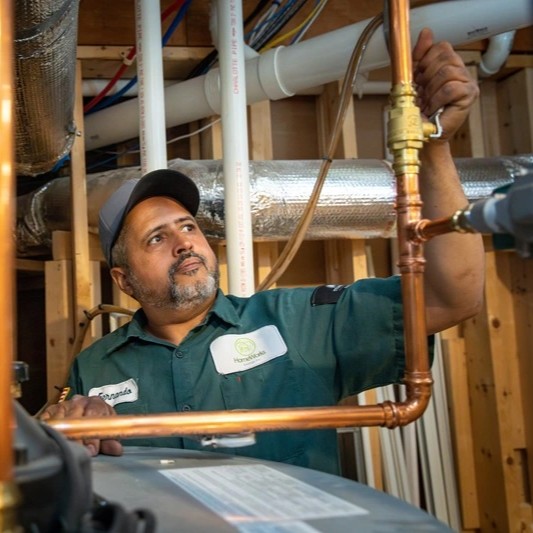
Furnace Still Won't Turn On? HomeWorks Can Help.
When your furnace isn’t working, you want answers, and you want your home warm ASAP.
At HomeWorks Energy, our experienced HVAC technicians provide professional heating system service, maintenance, and repairs for Massachusetts homeowners. Whether your furnace needs a straightforward repair or a more detailed diagnosis, we’re here to help get your heating system back on track.
And if your furnace is aging, frequently breaking down, or struggling to keep up, our team can also help you explore your heating system replacement options at a free system replacement consultation.
Don’t wait for a cold house to become an even bigger problem.
Frequently Asked Questions for When Your Furnace Won't Turn On
Your furnace may not be responding because of incorrect thermostat settings, dead thermostat batteries, a tripped circuit breaker, or an internal equipment problem. Start by confirming that your thermostat is set to “Heat” and that the temperature setting is higher than the current room temperature.
Clicking can indicate that your furnace is attempting to start but isn’t completing its ignition sequence. Possible causes include a faulty igniter, flame sensor issue, or another component malfunction. If the clicking continues without heat, schedule professional service.
Yes. A severely clogged filter can restrict airflow and cause your furnace to overheat. This may activate a safety switch that shuts down the heating process. Replacing a dirty filter may help, but repeated shutdowns should be investigated by a professional.
Some furnaces can be restarted using the procedure outlined in the owner’s manual. However, resetting the system repeatedly without identifying the problem can be unsafe. Never bypass or manually reset internal safety controls to force your furnace to operate.
Consider your furnace’s age, overall condition, repair history, and the cost of the current problem. Many furnaces last approximately 15-20 years, although lifespan varies. If your system is older and requires frequent or expensive repairs, an HVAC professional can help you compare repair and replacement options.