

Your thermostat is set. The fan is blowing. Air is coming out of the vents. But your AC isn’t cooling.

If this sounds familiar, you’re not alone. AC not cooling is one of the most common HVAC issues New England homeowners face in the summer.

And while it might seem like your air conditioner is working, this symptom usually means something important in the cooling process has gone wrong.

Before you panic, here’s what could be happening.

First: Understand What’s Actually Running

When your AC is on, there are usually two major systems working together:

  • The indoor air handler/blower, which moves air through your ducts
  • The outdoor condenser unit, which removes heat from your home

If the fan is running but the home isn’t cooling, it often means the blower is functioning, but the cooling side of the system isn’t doing its job. That distinction matters.

Common Reasons Your AC Is Not Cooling

1. Your Thermostat Settings Are Off

It sounds simple, but always check this first. Make sure:
✔ It’s set to Cool (not Fan)
✔ The temperature is lower than the room temp
✔ The fan setting is on Auto instead of “On”

If the fan is set to “On,” it may keep blowing air even when the compressor isn’t actively cooling. This is one of the easiest fixes—and one of the most overlooked.

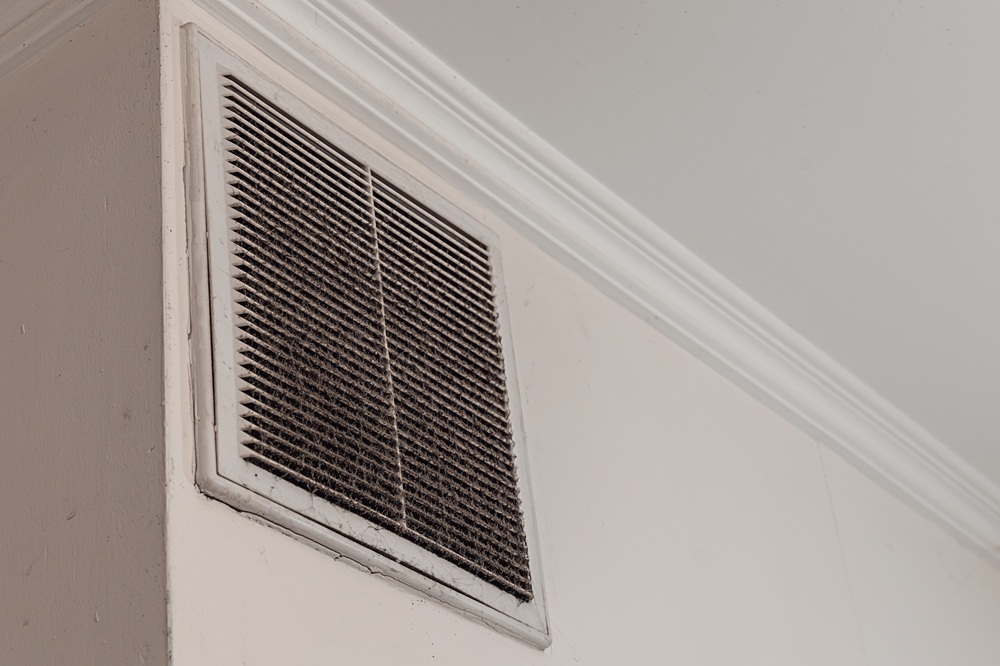
Dirty Air Filter Decreases Indoor Air Quality
2. Dirty Air Filter = Restricted Airflow

When airflow is restricted:

  • The evaporator coil can freeze
  • Cooling performance drops
  • The system may keep running without lowering the temperature

This is especially common in Massachusetts homes with pets, dust, or heavy pollen.

HVAC experts generally recommend changing filters every 1-3 months, depending on your home conditions. If your filter looks dirty, replace it before calling for service.

3. Frozen Evaporator Coil

If your AC is blowing but not cooling, a frozen coil is a major possibility.

This can happen due to:

  • Dirty filters
  • Blocked vents
  • Refrigerant issues
  • Airflow restrictions
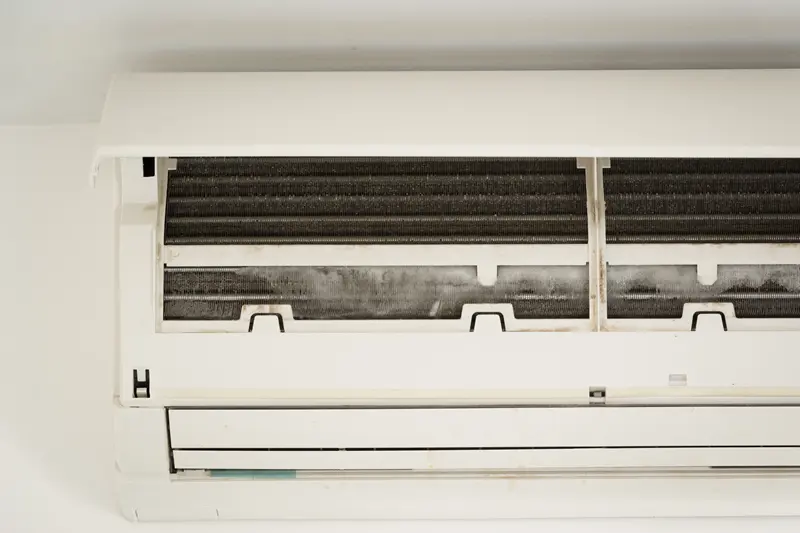
AC Issues - Frozen evaporator coils on a dirty air conditioner

Signs of a frozen coil:

Weak air flow is a sign that your HVAC needs service
Weak airflow
Ice can accumulate on AC condsenser coils, causing the system to stop blowing cold air
Ice on refrigerant lines
If water pools near your HVAC unit, schedule service right away
Water pooling near the unit
Fan blowing but AC not cooling is a sign your system needs service
AC running constantly
Act Now to take advantage of discounted winter electric rates for heat pumps
Important: If you suspect freezing, turn the system off and let it thaw before running it again. Running it frozen can cause more damage.
4. Low Refrigerant

Refrigerant is what actually absorbs heat from your home.

If levels are low (usually due to a refrigerant leak), your system may:

  • Blow air that feels room temperature
  • Struggle to reach the setpoint
  • Run longer than normal
Act Now to take advantage of discounted winter electric rates for heat pumps
NOTE: If refrigerant is low, there’s usually an underlying leak—not just “normal loss.” Low refrigerant is not a DIY fix. It needs professional diagnosis and repair.
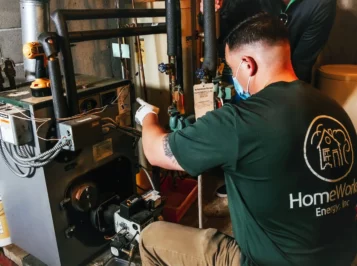
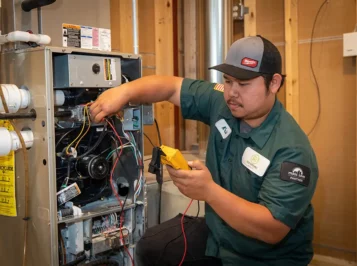
HomeWorks Energy AC Service Technician
5. Dirty Outdoor Condenser Unit

Your outdoor AC unit needs airflow, too. Massachusetts’ spring and summer conditions can quickly coat condenser coils with:

  • Cottonwood
  • Grass clippings
  • Pollen
  • Dirt
  • Leaves

If heat can’t escape outside, cooling performance drops dramatically.

A dirty condenser can cause:

  • Warm air indoors
  • Higher electric bills
  • System overheating

This is one of the biggest reasons annual AC service matters.

6. Capacitor or Electrical Failure

Sometimes the blower runs, but the outdoor compressor doesn’t. This often points to:

  • Failed capacitors
  • Worn contactors
  • Electrical issues

A common sign: You hear the indoor fan, but the outdoor unit is silent. This is a repair call.

Why AC Breakdowns Happen Often in Massachusetts

In the Northeast, AC systems often sit dormant for 6-8 months. Then, suddenly, during a June or July heat wave, they’re expected to work at full capacity.

That long offseason can lead to:

  • Dust buildup
  • Worn electrical components
  • Clogged drains
  • Delayed startup failures
Acorn Street, Boston, MA

This is why homeowners in places like Boston, Worcester, Quincy, Cambridge, Peabody, and Danvers often experience cooling issues right when summer starts.

The first hot week is basically a stress test.

Should You Repair or Replace?

It depends. Repair may make sense if:
✔ The system is under 10 years old
✔ The issue is isolated
✔ Efficiency is still strong

Replacement may be worth discussing if:
✔ Repairs are becoming frequent
✔ The system is 12-15+ years old
✔ Cooling is inconsistent every season

A professional technician can help you determine which path makes the most financial sense.

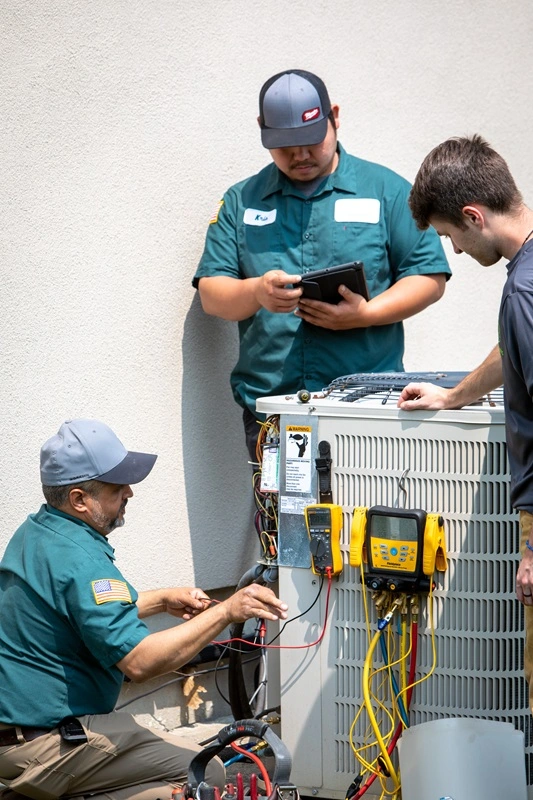
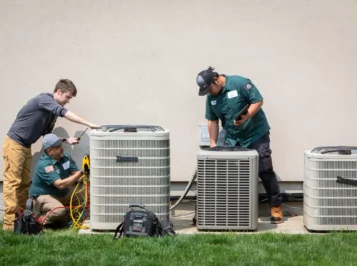
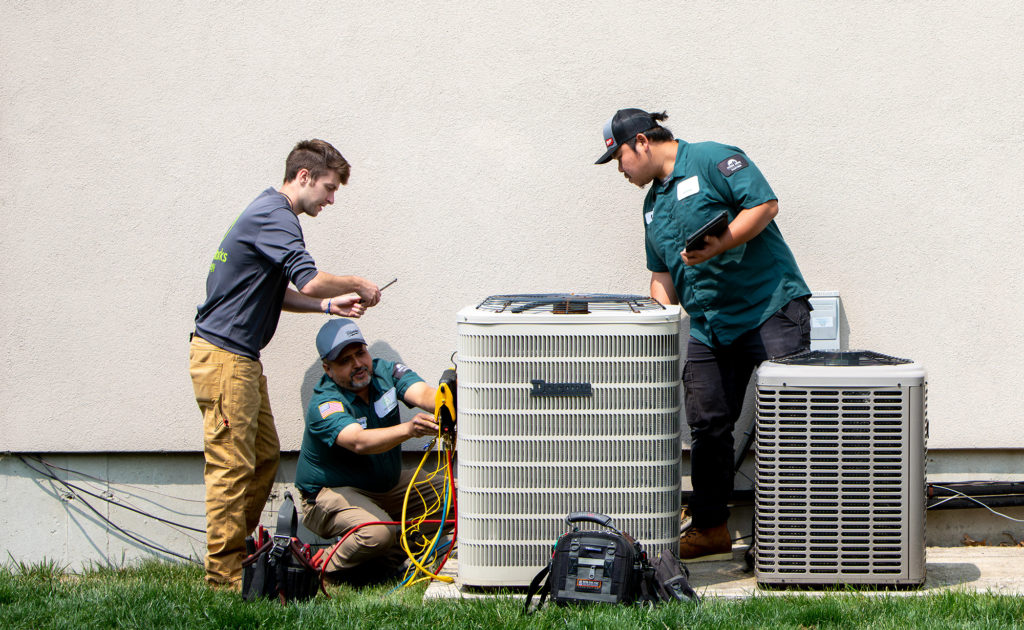
HomeWorks HVAC Technicians Condenser Unit

When to Call HomeWorks Energy

If your AC fan is running but your home isn’t cooling, don’t ignore it.

What starts as:

  • A dirty filter
  • Low refrigerant
  • A frozen coil
  • A failing capacitor

Can quickly turn into:

  • Compressor damage
  • Emergency breakdowns
  • Much larger repair bills

At HomeWorks Energy, our HVAC technicians service all major brands and can quickly diagnose cooling issues, explain your options clearly, and help get your system back on track.

Schedule AC Service Today

If your system is blowing air but not cooling, now is the time to have it looked at before the next heat wave pushes it harder.

Schedule HVAC service with HomeWorks Energy and get your home comfortable again.

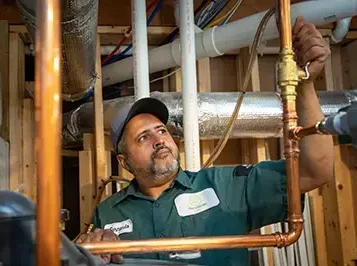
HomeWorks HVAC Technicians