

If you’ve ever wondered whether a heat pump can really keep your home warm during a Massachusetts winter, you’re not alone.
Between freezing temperatures, snowstorms, and those stretches when the thermometer barely climbs out of the teens, New England homeowners need heating systems they can count on.
So, do heat pumps work in winter? Yes! Modern cold-climate heat pumps are designed to heat homes efficiently even when outdoor temperatures drop well below freezing. Some models can operate in temperatures as low as -15°F or colder.
But how does a heat pump pull heat from freezing outdoor air? And can it really replace a traditional furnace or boiler? Let’s take a closer look at what Massachusetts homeowners should know about heat pump performance in winter.
How Do Heat Pumps Work When It's Cold Outside?
Here’s something that might surprise you: Even when the air outside feels freezing, it still contains heat energy.
Unlike furnaces and boilers, which typically burn fuel to generate heat, air-source heat pumps use electricity to move existing heat from one place to another.
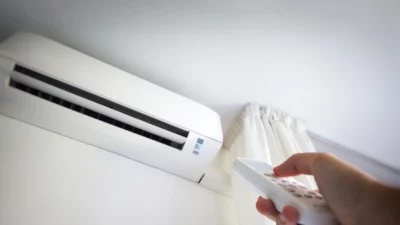
During winter, a heat pump absorbs heat from the outdoor air and transfers it inside your home. In summer, the process reverses, moving heat out of your home to provide air conditioning.
That means one system can handle both heating and cooling throughout the year.
Because heat pumps transfer heat rather than generate it directly, they can deliver more heat energy than the electrical energy they consume. And thanks to advances in compressor technology and system design, today’s cold-climate models can continue extracting heat even when temperatures fall far below freezing.
How Cold Is Too Cold for a Heat Pump?
This is one of the biggest questions homeowners have about switching to a heat pump, and the answer depends on the type of heat pump.
Older or conventional air-source heat pumps may struggle to maintain heating capacity as outdoor temperatures fall. That’s part of the reason heat pumps developed a reputation for being better suited to warmer climates.
But modern cold-climate heat pumps are different.
These systems are specifically engineered to maintain heating performance in low temperatures, making them a practical option for Massachusetts homes. Some cold-climate models can continue operating at temperatures as low as -15°F or below.
Does that mean every heat pump will perform the same way in extreme cold? Not quite.
Heating capacity and efficiency generally decline as outdoor temperatures drop. That’s why selecting the right equipment and properly sizing it for your home are so important.
A heat pump designed for Massachusetts winters should be evaluated based on its performance at low temperatures, not just its efficiency during milder weather.

To earn the ENERGY STAR® Cold Climate designation, qualifying heat pumps must retain at least 70% of their rated heating capacity at 5°F compared with their capacity at 47°F.
Can a Heat Pump Heat an Entire House in Massachusetts?
Absolutely. A properly designed cold-climate heat pump system can serve as the primary heating source for an entire home, even through a New England winter. But the key phrase here is properly designed.
Every home has different heating needs. Factors like square footage, insulation, air leakage, windows, and existing ductwork all affect how much heating capacity is required.
That’s why a professional heat pump installation should begin with an evaluation of your home’s heating requirements. A HomeWorks Energy HVAC technician can calculate your home’s heating load and recommend equipment capable of maintaining comfortable indoor temperatures during the coldest conditions expected in your area.
Do Heat Pumps Work in Older Massachusetts Homes?
If you live in an older home, you might be wondering whether a heat pump is still a realistic option.
The good news is that many older homes can benefit from heat pump technology, too.
However, homes with insufficient insulation or significant air leakage may require more heating energy to stay comfortable. Improving insulation and sealing gaps and cracks can reduce the amount of heat your home loses, helping your heat pump operate more effectively.
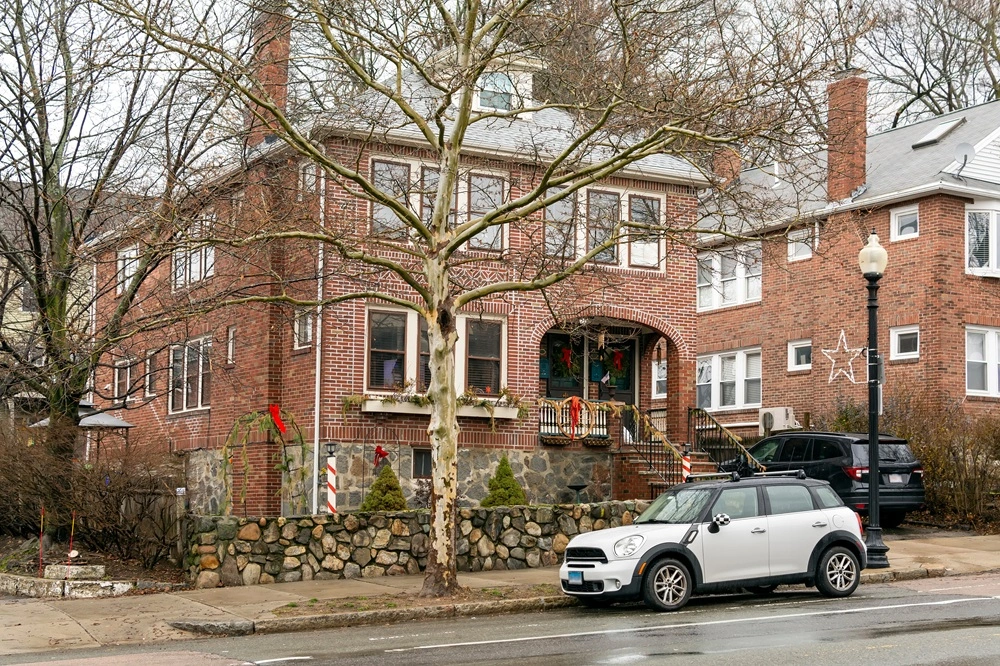
That’s one reason HomeWorks Energy takes a whole-home approach to comfort and efficiency. By addressing both your heating system and your home’s ability to retain heat, you can get more out of your investment.
Do Heat Pumps Need Backup Heat in Winter?
Not necessarily! One common misconception is that every heat pump needs a furnace or boiler to take over when temperatures drop below freezing.
In reality, a properly sized cold-climate heat pump can meet the full heating needs of many Massachusetts homes without relying on a separate fossil-fuel heating system.
However, some homeowners choose to keep their existing furnace or boiler as supplemental heat. This is sometimes called a dual-fuel or hybrid heating arrangement, depending on the equipment involved. In these systems, the heat pump handles much of the heating, while the existing system may operate during certain conditions.
Other installations use electric resistance backup heat when additional heating capacity is needed. The right setup depends on your home’s heating requirements, your existing equipment, and your preferences.
Important takeaway: Backup heat isn’t automatically required just because you live in Massachusetts. A qualified HVAC professional can help determine whether a whole-home or supplemental heat pump system makes the most sense.
Are Heat Pumps Efficient in Winter?
Yes, although their efficiency changes with outdoor temperatures.
Heat pumps are particularly efficient because they move heat rather than generate it through combustion or electric resistance heating.
For example, a heat pump operating with a coefficient of performance (COP) of 2 delivers approximately two units of heat for every unit of electricity consumed. That makes it roughly twice as efficient at converting purchased electricity into delivered heat as conventional electric resistance heating.
As temperatures fall, heat pumps generally need to work harder to extract heat from the outdoor air. Their efficiency and available heating capacity can decrease, even though they continue producing heat. But efficiency doesn’t tell the entire story when it comes to heating costs.
Will a Heat Pump Lower My Winter Heating Bills?
It depends on your current heating system, local utility rates, and how efficiently your home uses energy.
Homeowners switching from electric resistance heating, oil, or propane may see meaningful operating-cost benefits, depending on their circumstances.
For homes currently heated with natural gas, the comparison can be different. A heat pump may use less energy overall while still costing more to operate under certain electricity and fuel rates.
Massachusetts homeowners should also be aware of seasonal electric rates designed for homes heated with heat pumps. These discounted winter distribution rates may help reduce electricity costs for eligible customers. Before making the switch, it’s worth comparing your current heating expenses with the estimated operating costs of a properly sized heat pump system.
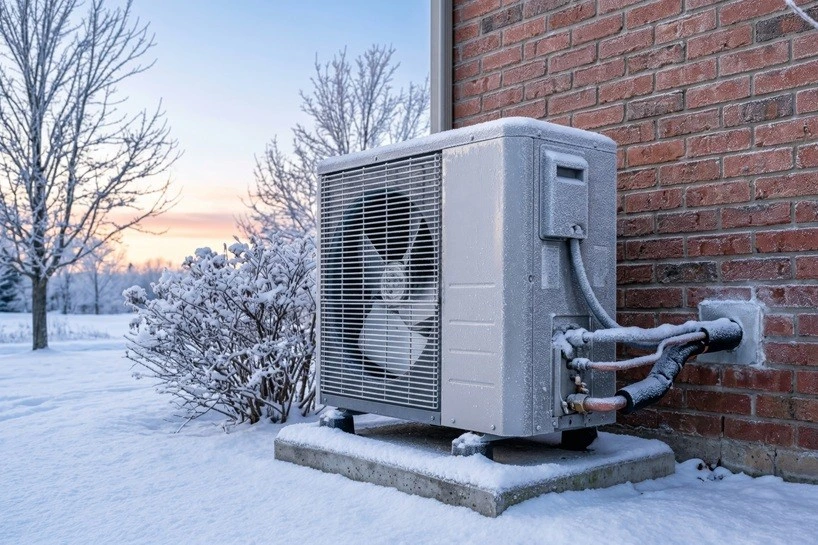
What Happens to a Heat Pump During Snow and Ice?
Seeing snow or frost around your outdoor heat pump unit might make you wonder whether it’s working correctly.
Some frost buildup is normal during winter operation.
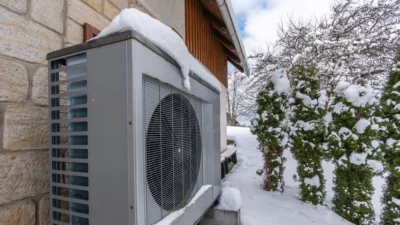
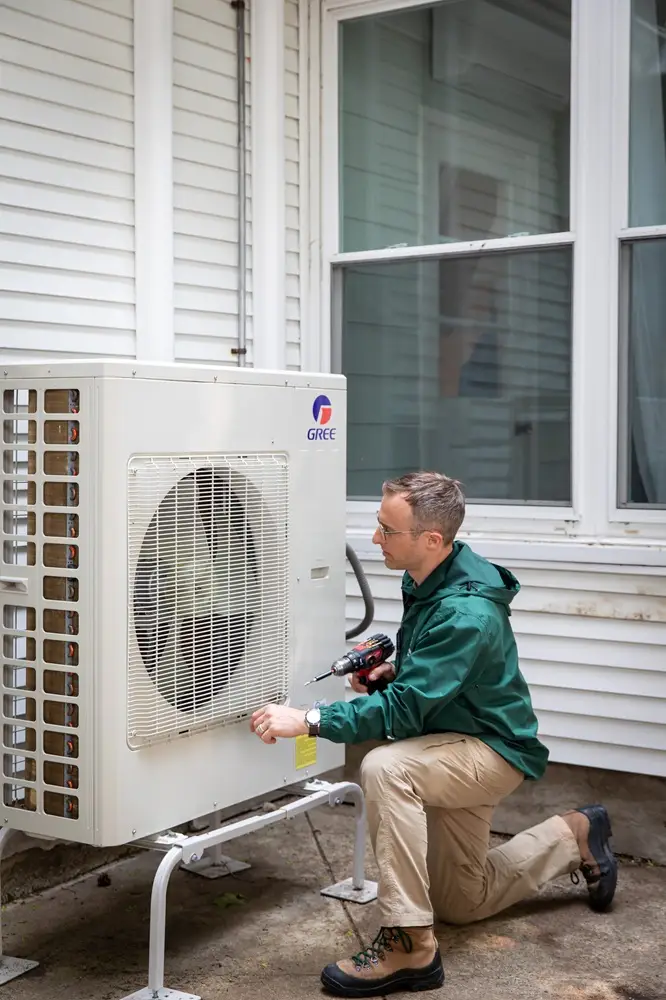
When outdoor conditions cause frost to form on the heat pump’s coils, the system periodically enters a defrost cycle to remove it. During this process, the heat pump temporarily changes how it operates, and you may notice steam rising from the outdoor unit.
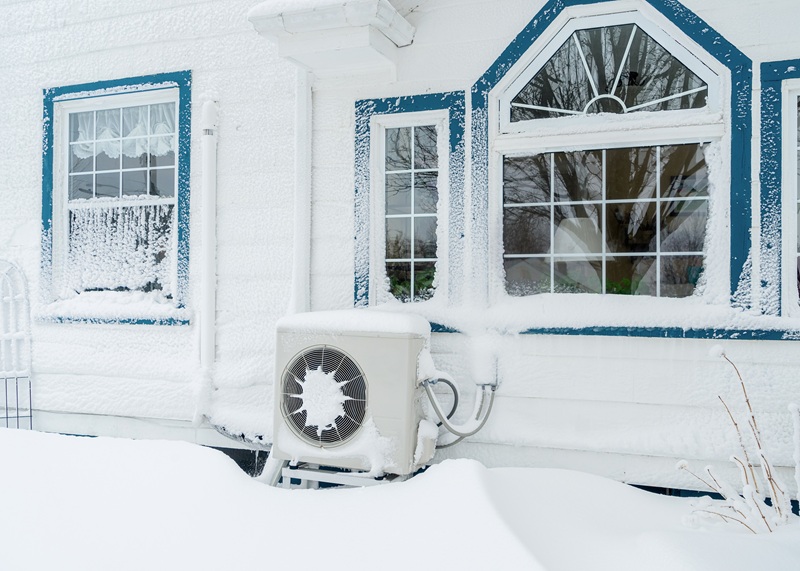
However, it’s important to keep the outdoor unit clear of heavy snow accumulation, ice, leaves, and other debris that could restrict airflow. A few simple maintenance habits can help:
- Keep snow and debris away from the outdoor unit.
- Check and clean indoor air filters according to the manufacturer’s recommendations.
- Avoid frequently making large thermostat adjustments.
- Schedule regular professional HVAC maintenance.
If your heat pump becomes encased in ice, stops producing adequate heat, or repeatedly shuts down, contact an HVAC technician rather than attempting to chip ice off the equipment.
How to Get the Best Heat Pump Performance During a Massachusetts Winter
Choosing cold-climate equipment is important, but the installation and condition of your home matter just as much.
Here are three things that can make a difference.
1. Choose Equipment Designed for Cold Climates
Not all heat pumps are created equal. Look for equipment with an ENERGY STAR Cold Climate designation and heating performance ratings appropriate for Massachusetts winters. An experienced installer can help you compare systems based on their ability to maintain heating capacity during low outdoor temperatures.
2. Make Sure Your Home Is Properly Insulated
Even the best heating system has to work harder when warm air escapes through gaps, cracks, and poorly insulated areas. Improving insulation and air sealing can help your home retain heat longer, reduce heating demand, and maintain more consistent indoor temperatures.
Through the Mass Save program, eligible Massachusetts homeowners may qualify for 75-100% off recommended insulation upgrades and 100% off air sealing.
A no-cost Mass Save Home Energy Assessment can help identify opportunities to improve your home’s overall efficiency.
3. Work with an Experienced Heat Pump Installer
A heat pump’s winter performance depends heavily on proper system design and installation.
An experienced HVAC contractor should evaluate your home’s heating load, recommend appropriately sized equipment, and consider factors such as ductwork, airflow, and outdoor unit placement. This helps ensure your system is prepared to keep your home comfortable during the temperatures Massachusetts winters can bring.
Services We Provide in Massachusetts

Are There Mass Save Heat Pump Rebates Available in 2026?
Yes. Massachusetts homeowners considering a heat pump installation may qualify for valuable financial benefits through the Mass Save program.
For 2026, eligible homeowners may have access to:
- Up to $8,500 in Mass Save heat pump rebates for qualifying whole-home installations
- Additional rebate options for eligible partial-home heat pump installations
- 0% financing up to $25,000 through the Mass Save HEAT Loan
- Weatherization incentives that can help improve home efficiency before or alongside a heating system upgrade

Rebate amounts and eligibility depend on factors such as your existing heating fuel, selected equipment, installation details, and participating utility. HomeWorks Energy can help you explore your heating and cooling options and provide guidance on available Mass Save heat pump rebates.
Ready for a Heating System That Can Handle a Massachusetts Winter?
So, do heat pumps work in winter?
Yes! And with the right equipment, proper installation, and a home that’s prepared to retain heat, a cold-climate heat pump can provide reliable, efficient heating throughout a Massachusetts winter.
At HomeWorks Energy, we help homeowners find heating and cooling solutions that make sense for their homes. From evaluating your existing heating system to recommending and installing cold-climate heat pumps, our experienced HVAC team can guide you through the process.
And because we also specialize in home energy assessments, insulation, and air sealing, we can help you take a whole-home approach to improving comfort and efficiency.
Curious whether a heat pump is right for your home?
Schedule a free heat pump consultation with HomeWorks Energy and explore your options for year-round comfort.
Frequently Asked Questions About Heat Pumps in Winter
Yes. Modern cold-climate heat pumps are specifically designed to operate below 32°F. Many can continue providing heat at temperatures well below 0°F, although heating capacity and efficiency vary by model.
There isn’t one universal cutoff temperature. Some cold-climate models can operate at -15°F or below, while others have higher minimum operating temperatures. Your system’s specifications determine its operating range.
Yes. Cold-climate heat pumps can be an effective heating solution for Massachusetts homes. Proper sizing, installation, and adequate insulation are important for maintaining comfort during cold weather.
A properly sized cold-climate heat pump can maintain comfortable indoor temperatures at 10°F. However, performance depends on the equipment’s low-temperature heating capacity and your home’s heating requirements.
Yes! Many ductless mini-split systems are designed for cold-climate heating. They can provide efficient heating during winter without requiring traditional ductwork. Make sure the model you choose is rated for your local climate.
Generally, no. Cold-climate heat pumps are designed to operate continuously as needed during winter. Turning the system off solely because outdoor temperatures drop below freezing is usually unnecessary. Follow your equipment manufacturer’s recommendations and your installer’s guidance.