
No hot water? In Massachusetts, where winters are long and water heaters work overtime, understanding the warning signs and knowing when to replace your system can help you avoid unexpected breakdowns and high energy bills.

In this post, we’ll walk through the most common reasons your water heater may not be producing hot water, how long water heaters tend to last in New England, and how it ties into your home’s overall energy efficiency.

Common Reasons Your Water Heater Isn’t Producing Hot Water

There are a few common culprits if your water heater isn’t producing hot water:

1. Thermostat Issues

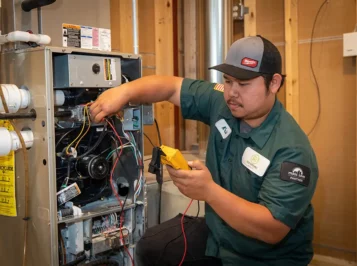
Your water heater’s thermostat may be set too low or malfunctioning. Specifically, electric heaters can have two thermostats, one for the upper and one for the lower element. If one fails, your hot water supply may be inconsistent.

2. Sediment Buildup

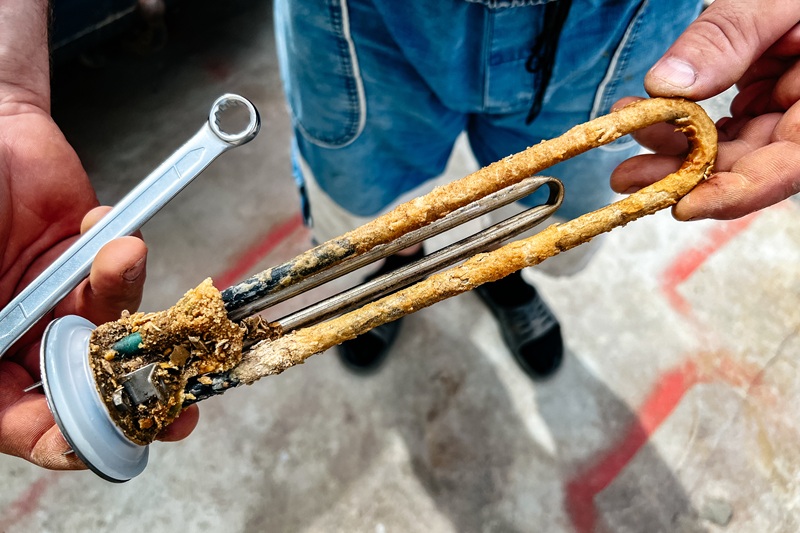
Even if you don’t live in a hard water zone, minerals and sediment can still accumulate in your water heater over time, especially in older systems. This buildup settles at the bottom of the tank and can create a barrier between the heating element and the water, making your system work harder and less efficiently. The result? Lukewarm water and higher energy bills. Flushing the tank annually can help reduce sediment buildup, but if your system is aging, it may be more susceptible to these issues.

3. Aging Equipment

Sometimes, the problem is simply age. As your water heater nears the end of its lifespan, performance tends to decline. Heating elements can wear out, and internal corrosion can limit effectiveness, especially in areas with fluctuating water temperatures.

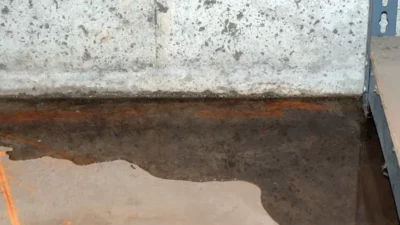
Heating element of the water heater with rust and scale.
4. Tripped Circuit Breaker or Gas Supply Issues

For electric heaters, always check your breaker box. For gas models, a closed gas valve or extinguished pilot light may be the problem.

If none of these fixes work, it’s time to call a licensed technician, especially if your unit is over 10 years old.

How Long Do Water Heaters Last in New England?

The typical lifespan of a water heater depends on the type you have and your regional conditions.

Average Lifespans:
  • Tank Water Heaters: 8-12 years
  • Tankless Water Heaters: 15-20 years

In New England, those numbers can skew lower due to mineral buildup, cold winters, and basement moisture, which can accelerate rust or corrosion.

If your system is reaching the 10-year mark, or already showing signs of trouble, it’s worth considering a proactive replacement before a breakdown leaves you without hot water mid-winter.

Why Your Water Heater Matters for Whole-Home Efficiency

Your water heater is one of the biggest energy users in your home, especially during the colder months. When it’s not running efficiently, it’s not just inconvenient—it can spike your utility bills.

A no-cost Home Energy Assessment through the Mass Save® program can help identify whether your water heater is nearing the end of its life or is contributing to overall energy loss. You may even qualify for rebates on efficient water heating solutions as part of a broader energy-efficiency upgrade plan.

Incentives for Upgrading Your Water Heater

If your water heater is aging or underperforming, upgrading it can bring several benefits:

  • Lower monthly bills
  • Faster and more reliable hot water
  • Reduced risk of emergency breakdowns
  • Potential rebates or incentives through Mass Save

And remember: Improving your water heating is just one piece of the puzzle. Your home’s insulation, air sealing, and HVAC performance all contribute to how well your systems operate—and how much you pay to keep them running.

Start with a No-Cost Assessment

If your water heater isn’t performing—or you’re not sure how much longer it will last—schedule a no-cost Home Energy Assessment with HomeWorks Energy. We’ll check for inefficiencies, review your equipment, and connect you with potential upgrades and incentives.