


From the first frost in early fall to lingering snow drifts in late spring, heating your Massachusetts home isn’t a luxury; it’s a necessity. And with oil costs rising and climate goals looming, more and more Massachusetts homeowners are asking the same question: Should I make the switch to heat pumps?
The answer, for many, is yes.
Between breakthrough improvements in cold-climate heat pump technology, new electric rate discounts, and thousands of dollars in rebates available through Mass Save®, there may never be a better moment to upgrade your home’s heating system.
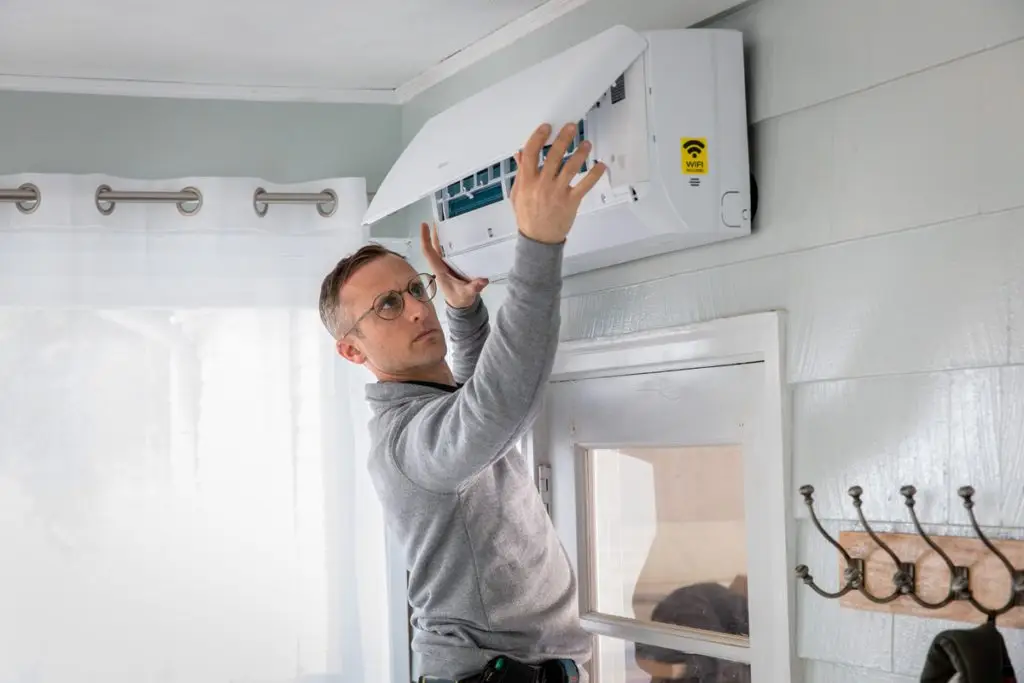
Let’s break down the key reasons why switching to a heat pump now can lower your bills, boost your comfort, and align with the state’s push toward a more sustainable energy future.
1. Heat Pumps Offer Energy Savings, Even in Cold Winters
Modern, cold‑climate heat pumps move heat instead of burning fuel, which makes them much more efficient than traditional oil, propane, or electric‑resistance heating. According to mass.gov, Massachusetts households with heat pumps benefit from lower heating costs than older systems, even in sub‑zero weather.

This is especially true this winter, with all three major utility providers (Eversource, National Grid, and Unitil) offering reduced electric rates for heat pump owners.
Recent data shows that 82% of households making the switch could save an average of about $687 each winter under new electricity rate structures favorable to heat‑pump use. For households using electric resistance heat, oil, or propane — historically among the most expensive heating options — switching to heat pumps can offer the most dramatic savings.
In short: Modern heat pumps can reduce heating bills, even when winter is at its worst in Massachusetts.
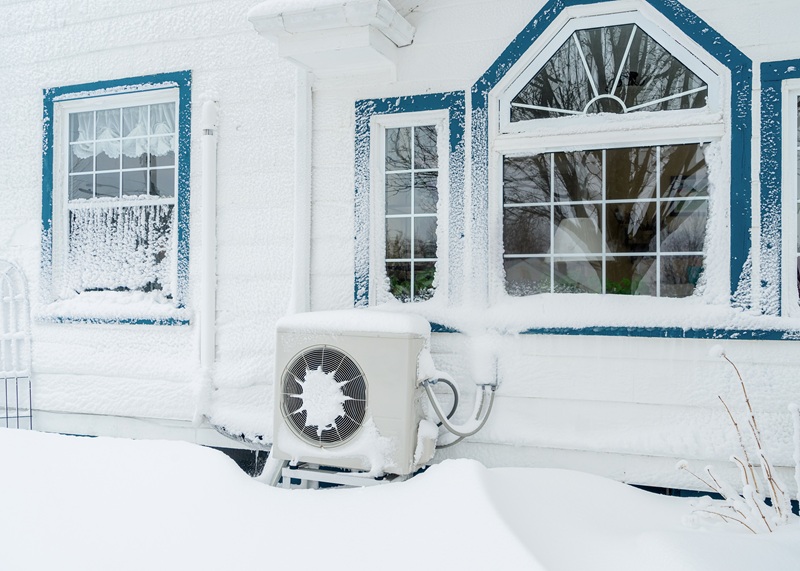
2. Cold‑Weather Performance is No Longer a Major Concern for Heat Pumps
Early heat pumps struggled to keep up in extreme cold, but “cold‑climate,” air‑source heat pumps now routinely deliver effective heating, even when Massachusetts temperatures dip well below freezing. Advanced features such as inverter-driven, variable‑speed compressors; smart refrigerants; and vapor‑injection technology enable consistent heating capacity well into the winter.
Today, heat pumps can offer reliable, all‑season heating and cooling without the need for a separate furnace/boiler.
Bottom line: Heat pumps have matured to the point where they’re a solid, dependable heating choice for Massachusetts winters.
3. Heat Pumps Offer Dual‑Purpose Heating and Cooling
Unlike furnaces or boilers, heat pumps provide both heating in the winter and air conditioning in the summer. That means one system year‑round, eliminating the need for separate heating and cooling installations. This versatility translates into long-term value: You pay once for comfort, whether it’s freezing in January or sweltering in July.
For many homeowners, that single‑system payoff alone justifies the switch.
4. Environmental Impact: How Heat Pumps Contribute to Massachusetts' Clean Energy Goals
Heating with clean electricity through heat pumps is a critical strategy for reducing greenhouse gas emissions, especially as Massachusetts and other New England states aim to reach decarbonization goals by 2050.
As electricity grids become cleaner over time, homes with electric heat pumps will automatically receive cleaner heating without further upgrades.
For homeowners interested in sustainability, comfort, and long-term energy independence, heat pumps are a strong step in the right direction.

5. Rebates, Incentives, and Long-Term Value of Heat Pumps
Most new, residential heat pump installations in Massachusetts qualify for substantial rebates through Mass Save®, making the upfront cost much more manageable.
Plus, the Mass Save HEAT Loan offers 0% financing up to $25,000 for qualifying households to help ease the strain of any remaining upgrade costs.
Over time, energy savings and the ability to avoid fuel price fluctuations for oil, propane, etc. make heat pumps even more cost-effective — especially when paired with up-to-date weatherization.
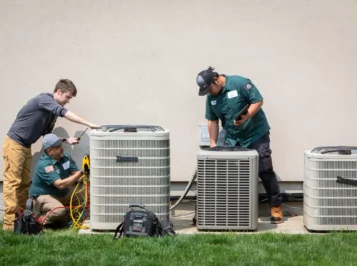
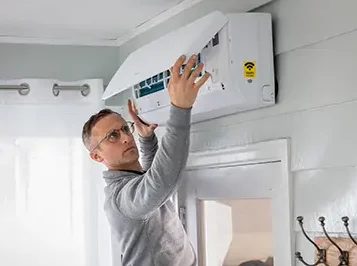
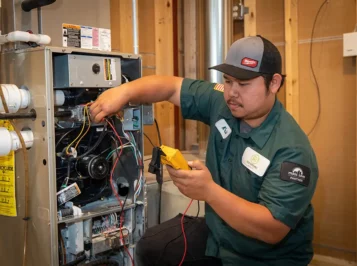
Services We Provide in Massachusetts

Realistic Considerations (What to Know Before You Switch to Heat Pumps)
Of course, heat pumps aren’t magic. There are trade‑offs and factors that homeowners should consider before making the switch:
- Performance and savings depend heavily on how well your home is insulated and air‑sealed. A poorly weatherized home undermines even the best heating/cooling system.
- In rare and extreme cold snaps, supplemental heating (dual‑fuel setups) can be useful, though many cold‑climate heat pumps rarely (if ever) need it.
- The upfront installation cost of a heat pump is higher than a quick furnace replacement, but Mass Save incentives, HEAT Loan interest-free financing, long‑term savings, and dual heating/cooling functionality help to justify this cost.
The takeaway: To maximize savings and performance, pair a heat pump with good insulation, air‑sealing, and properly sized system design.
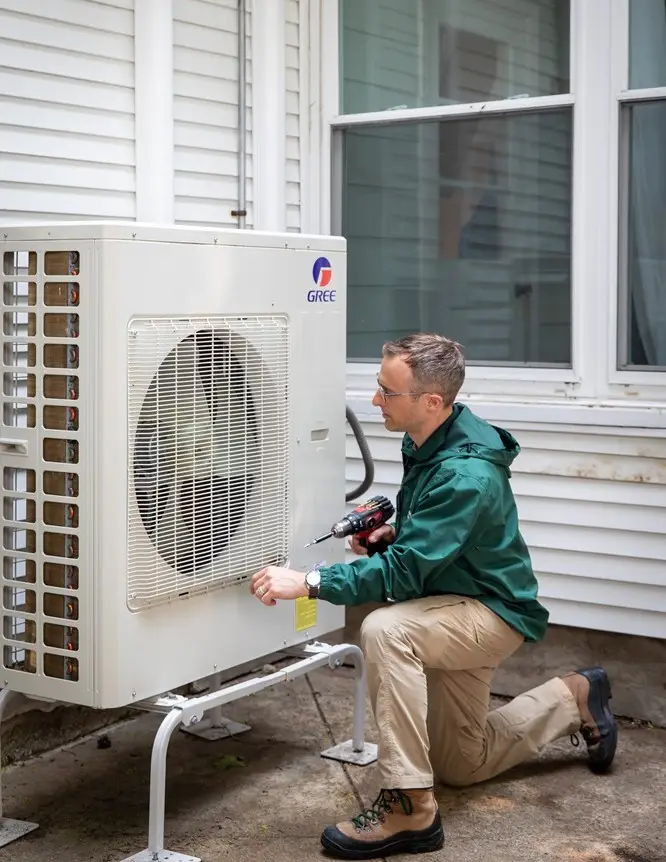
Why Is Now the Best Time for Massachusetts Homeowners to Install Heat Pumps?
- Energy prices and fuel volatility are rising — A heat pump offers more predictability.
- Rebate and incentive programs are robust — Switching now provides the most immediate and long-term savings.
- Technology has matured — Cold‑climate models, variable‑speed compressors, and smart controls make heat pumps more reliable than ever.
- Dual‑season value — Get heating in winter and cooling in summer with one system.
- Environmental and regulatory momentum — As MA shifts toward clean energy and carbon reduction, heat pumps align homeowners with future‑proof standards.
Conclusion: Heat Pumps Are More Than an Upgrade — They’re a Strategic Move
For many Massachusetts homeowners, especially those with outdated heating systems that rely on oil, propane, or electric baseboard heat, modern heat pumps offer a compelling balance of comfort, savings, flexibility, and sustainability. When paired with smart home upgrades like insulation and air sealing, the payoff can be even greater. At HomeWorks, we always ensure these weatherization upgrades (often covered 75-100% through Mass Save) are done before we evaluate your home to determine the size of your new heating system.
Given the current incentives, rising energy costs, and recent advances in heat‑pump technology, there’s strong reason to consider making the switch to a high-efficiency heat pump sooner rather than later.
Ready to Make the Switch to a High-Efficiency Heat Pump?
Whether you’re looking to cut your heating bills, reduce your carbon footprint, or just keep your home more comfortable year-round, a heat pump could be the upgrade your Massachusetts home needs. But every home is different—and making the right call starts with expert guidance.
HomeWorks Energy offers no-cost HVAC consultations to help you explore your options, understand available incentives, and determine whether an energy-efficient heat pump is the right fit for your home. From the first conversation to final installation, our team is here to make the process easy and worthwhile.
To schedule your no-cost consultation today, call us at (781) 305-3319, or book a time that works for you online.