

In Massachusetts, heating isn’t just a seasonal need—it’s one of the biggest factors affecting your daily comfort and monthly budget. With long winters and rising energy costs, choosing the right heating system can help you lower your bills, boost comfort, and avoid unexpected issues during the coldest months.
Whether you’re planning a major upgrade or just exploring options, understanding the difference between ducted and ductless heat pumps can help you make the best choice for your home, your budget, and your energy goals.
Here’s a breakdown of what each system offers and how to decide what’s best for your space.

What’s the Difference Between a Ducted and Ductless Heating System?
Before we get into the pros and cons, let’s quickly define the two systems:
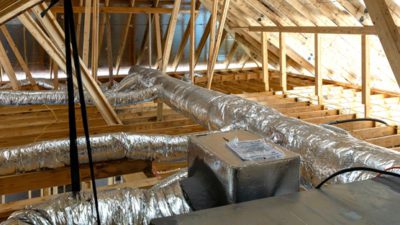
- Ducted Systems: These use ductwork (usually already in place in many homes that have central AC or forced-air heat) to distribute warm or cool air from a central unit to every room in your home. This includes central heat pumps as well as traditional gas or oil furnaces.
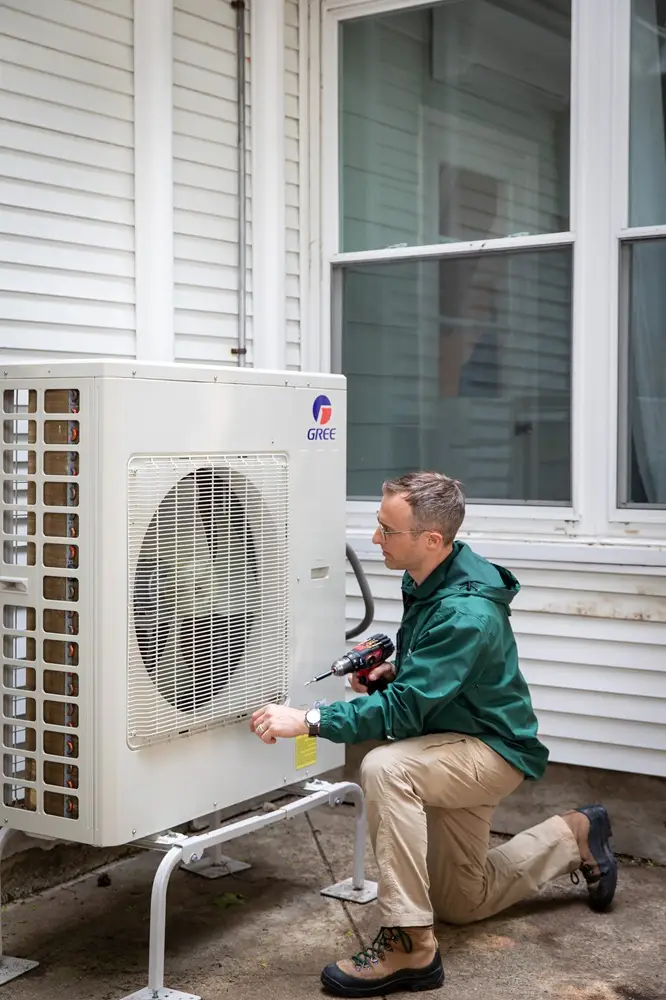
- Ductless Systems (also known as mini-splits): These heat or cool individual rooms or zones with wall- or ceiling-mounted units, each connected to an outdoor compressor—no ductwork needed.
Both options use heat pump technology, which means they can heat and cool your home while using less energy than conventional systems.
Pros & Cons of a Ducted Heating System
The Benefits:
- Whole-Home Comfort: One system can heat and cool every room through the existing duct network.
- Low Profile: All the ductwork is hidden behind walls or ceilings (no wall-mounted units).
- Familiar Operation: It uses a single thermostat, which many homeowners are already used to.
- Cost-Effective for Homes With Existing Ducts: If your ducts are in good condition, retrofitting can be straightforward.
Other Considerations:
- Duct Loss: Heat can be lost through gaps or poorly insulated ducts, making the system less efficient.
- Expensive to Install Ducts from Scratch: Homes without ducts face a higher upfront cost.
- Less Room-by-Room Control: You can’t easily set different temperatures for different areas.
- Maintenance Requirements: Duct cleaning and sealing may be needed over time.
Pros & Cons of a Ductless Heating System (Mini-Splits)
The Benefits:
- No Ductwork Required: These are ideal for older homes, finished basements, additions, or spaces without existing ductwork.
- Room-by-Room Control: Homeowners can set different temperatures for different rooms or zones, which is great for saving money when you only need heat in certain areas.
- More Efficient: Mini splits avoid the heat loss associated with ducted systems.
- Quick Installation: These are especially useful in retrofits or homes with complex layouts.
Other Considerations:
- Higher Upfront Cost Per Zone: Each indoor unit adds to the total cost.
- Visible Equipment: Wall or ceiling-mounted units may not be everyone’s style.
- More Maintenance: Filters on each unit need regular cleaning.
- Air Quality Limitations: Doesn’t offer whole-home filtration or humidity control like some ducted systems.
Services We Provide in Massachusetts

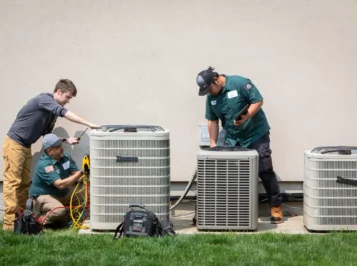


Ducted vs. Ductless Heating System: What Massachusetts Homeowners Should Consider
With cold winters and a mix of older and newer housing stock, here’s what New England homeowners should keep in mind:
- Existing Ducts: Already have ductwork? A ducted heat pump system might be your best bet.
- No Ducts?: Go ductless. It’s more affordable and less invasive than installing new ductwork.
- Whole-Home vs. Zoned Comfort: If you want one consistent temperature, ducted may be for you. If you want to customize room by room, ductless is the way to go.
- Energy Savings: Both systems are more efficient than oil, propane, or electric baseboard heat, but ductless often edges out ducted in terms of raw efficiency.
- Rebates & Incentives: The Mass Save® program offers up to $16,000 in heat pump rebates for qualifying households, regardless of which type of heating system you choose.

Get the Most out of Your Heating System
Before making any big decisions about your heating system or potential upgrades, it’s critical to make sure your home is well insulated and air sealed. Otherwise, according to Energy Star, you may as well be cranking the heat up with a window wide open.
A no-cost Home Energy Assessment from HomeWorks Energy helps you identify insulation upgrades, air sealing, and other improvements that can help make any heating system more effective and efficient. It’s the smartest first step to better comfort and savings.
During the assessment, our Home Energy Specialists help identify which upgrades would be most effective and let you know which Mass Save rebates and incentives you qualify for.
Which Heating System Is Right for You?
Still unsure which option best fits your home? At HomeWorks Energy, we also offer no-cost HVAC consultations to help you evaluate your existing infrastructure, comfort needs, and eligibility for incentives.
Whether you’re considering a ducted or ductless system—or want to talk to someone about insulating before upgrading—we’re here to help you make an informed, energy-smart decision.