


Protect your roof, preserve your comfort, and stop winter water damage before it starts.

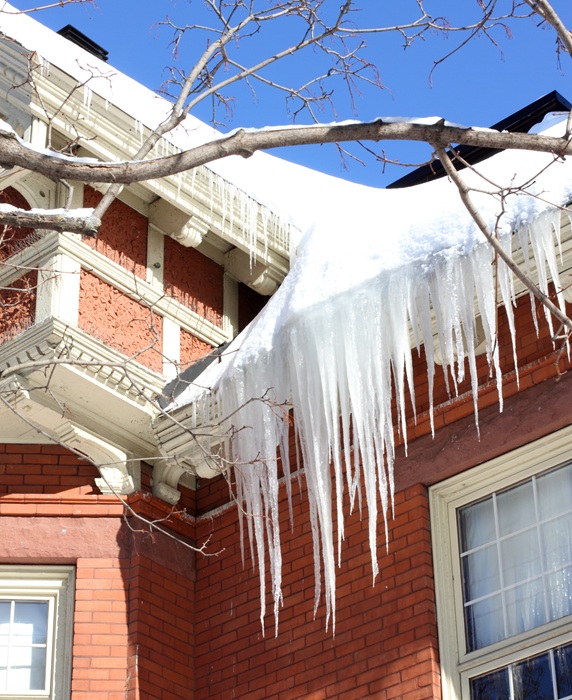
If you’ve ever spotted thick icicles hanging from your roof’s edge, you might be facing more than just a picture-perfect winter scene. Those icicles may be a sign of ice dams, which can cause serious damage to your home if left unchecked.

Here’s what every Massachusetts homeowner should know about ice dams—what causes them, how to prevent them, and how your home’s energy efficiency plays a major role.

Icicles Massachusetts Winter Ice Dam

What Are Ice Dams?

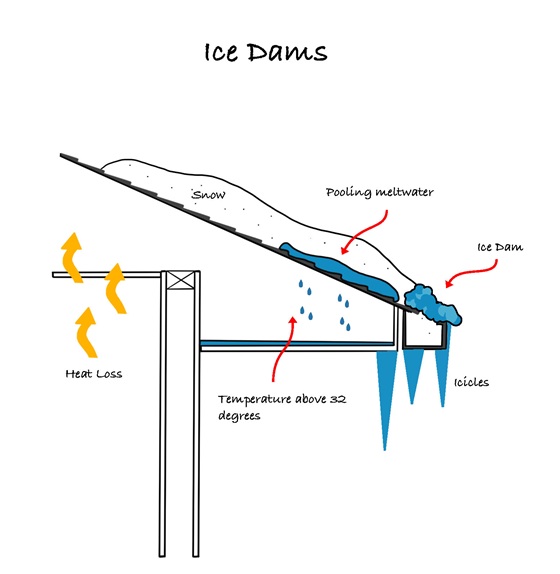
An ice dam is a buildup of ice along the edge of your roof, typically near the gutters. It forms when heat from your home escapes through the attic, warming the roof and melting the underside of accumulated snow. That meltwater trickles down to the colder roof edge, refreezes, and creates a ridge of ice.

The more the ice dam builds up, the more water it blocks from draining off of your roof. With nowhere to go, the water backs up under your shingles or into your attic, walls, and ceilings, causing water damage, wood rot, and mold.

Ice dams are most common after heavy snowfalls followed by daytime thaws and nighttime freezes—something we’re all too familiar with here in New England.

What Causes Ice Dams?

While snow and cold temperatures are a factor, the real culprit behind ice dams is heat loss from your home.

When your attic is too warm, it melts the snow on the roof. That means:

  • Poor attic insulation allows heated air to rise and collect at the roof deck.
  • Air leaks from recessed lighting, ductwork, or poorly sealed hatches allow warm, indoor air to seep into the attic.
  • Insufficient roof ventilation keeps the underside of the roof warm instead of cold and dry.

The result? A perfect storm of melting and freezing that can damage your roof and drive up your heating costs.

How do ice dams form on New England roofs?

Ice Dams Are a Sign of Deeper Home Issues

If you’ve dealt with ice dams in the past, or you want to prevent them before they start, here’s something worth considering: Ice dams are often a symptom of bigger problems with your home’s energy performance.

That’s where HomeWorks comes in.

How to Prevent Ice Dams Before They Start

You don’t have to wait to see a water leak before taking action. Get ahead of ice dams and on top of your energy bills this winter. Here’s what works:

Upgrade your attic insulation

A properly insulated attic keeps your warm air in the living space and your roof cold—reducing melting snow that leads to ice dams.

Seal attic air leaks

Unsealed gaps around pipes, lights, fans, and hatches let heat leak upward. Professional air sealing closes those gaps to keep your attic cool and dry. With a no-cost Home Energy Assessment, our specially trained energy experts find these vulnerable spots, seal them, and can help you access Mass Save® incentives that cover the cost of air sealing.

Improve attic ventilation

Good airflow helps your attic stay the same temperature as the outdoors, so snow on your roof stays frozen until it melts naturally (not from heat escaping inside).

Clear your roof & gutters

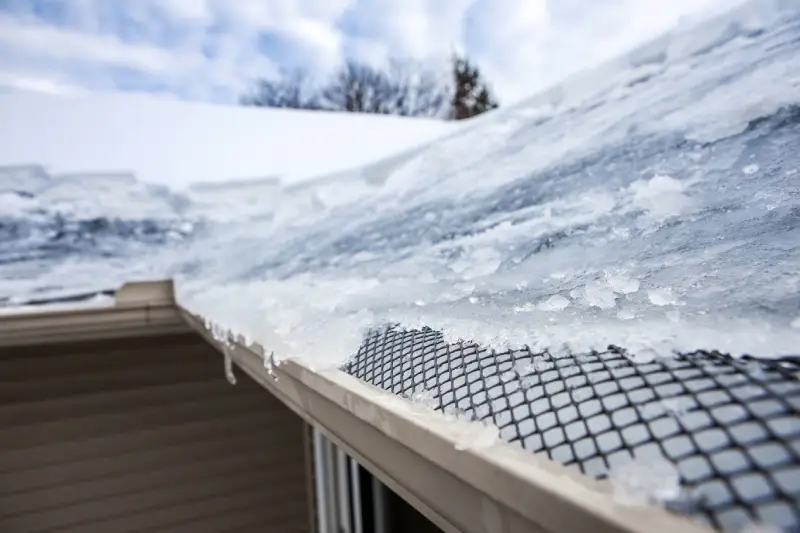
Use a roof rake to remove snow from the lower 3-4 feet of your roof after a storm. Check to make sure gutters and downspouts stay clear so meltwater can drain properly.

Ice Dam Gutter Massachusetts Home Winter

Schedule a No-Cost Home Energy Assessment

Your roof problems might actually be attic problems, and we’re here to help you get to the bottom of it. During a no-cost Home Energy Assessment, a certified Home Energy Specialist will:

  • Inspect your attic insulation and air sealing
  • Identify areas where heat may be escaping
  • Recommend energy upgrades that can help prevent ice dams
  • Connect you with 75-100% off insulation upgrades through Mass Save
  • Help you access 0% financing for additional energy-efficiency upgrades

Protect Your Roof and Your Comfort

Don’t wait for the first big storm to uncover problems. Prevent ice dams and energy loss with smart upgrades that pay off all winter long. Schedule your no-cost Home Energy Assessment today by calling us at 781-305-3319, or follow the link below to book online.